


Karate for Kids vs Team Sports | Martial Arts Thomastown
Karate vs Team Sports: Which Is Better for Your Child?
To View our YouTube Channel Click here
To View our Facebook Page Click here
Choosing an activity for your child can feel like a surprisingly big decision. Soccer, basketball, football and other team sports are popular choices because they encourage children to exercise, socialise and work toward a shared goal. But what about karate?
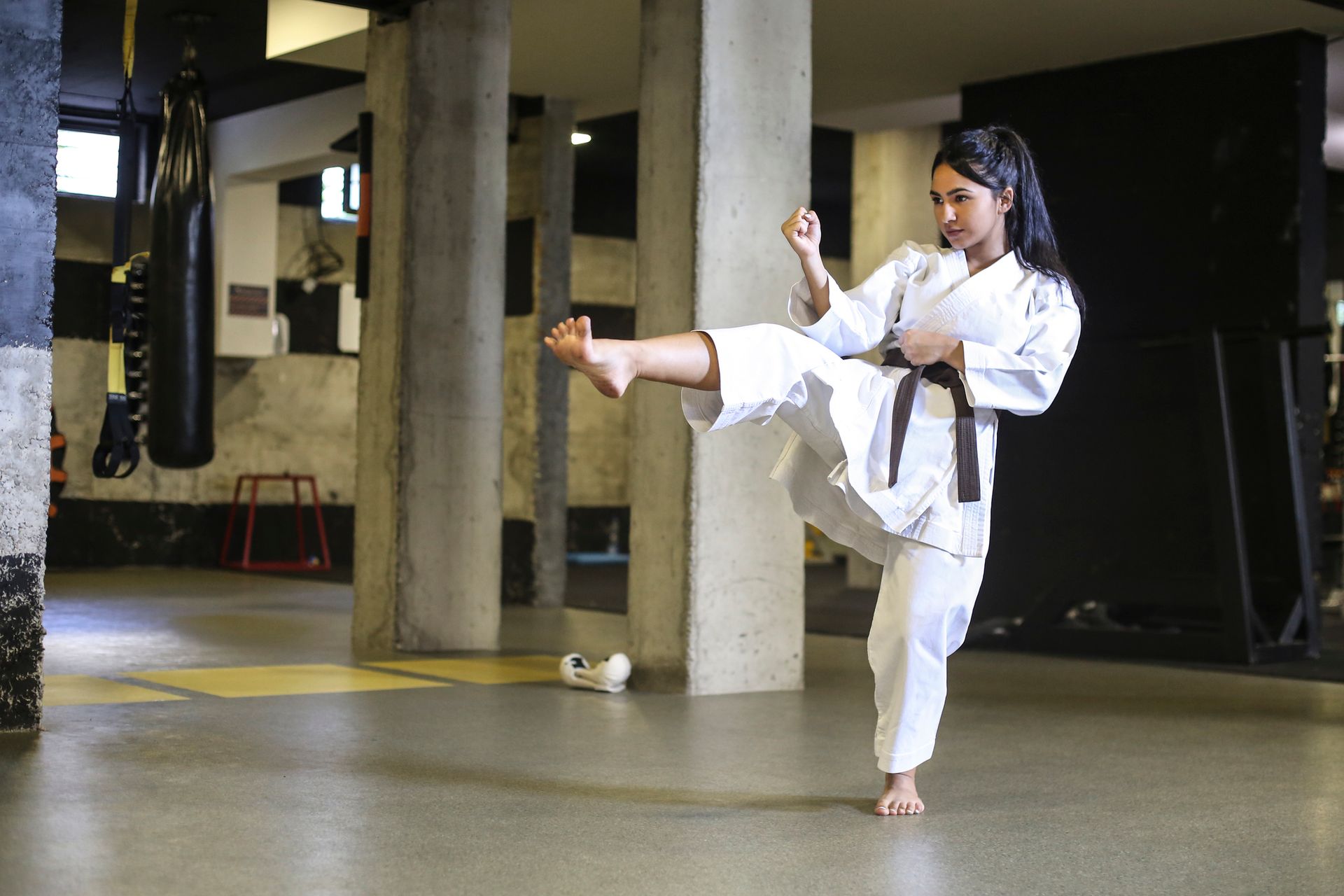
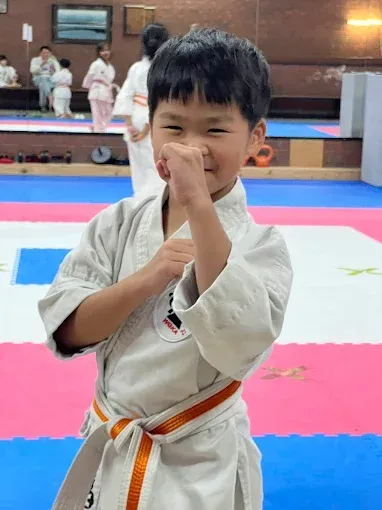
For parents considering karate for kids, the benefits can extend well beyond simply keeping a child physically active. Karate combines exercise with discipline, individual development, confidence building, concentration and practical skills that children can continue developing for many years.
That does not mean traditional team sports are a poor choice. They can provide valuable experiences and teach important lessons about cooperation and teamwork. The better question is: what type of activity will give your child the environment they need to thrive?
If you're comparing team sports with martial arts for kids Thomastown families can access locally, here are some of the biggest differences to consider.
Karate vs Team Sports: Understanding the Difference
Team sports revolve around cooperation. Children learn to play a particular position, communicate with teammates and contribute toward a common objective. Success is generally measured collectively: the team wins or loses together.
Karate takes a different approach.
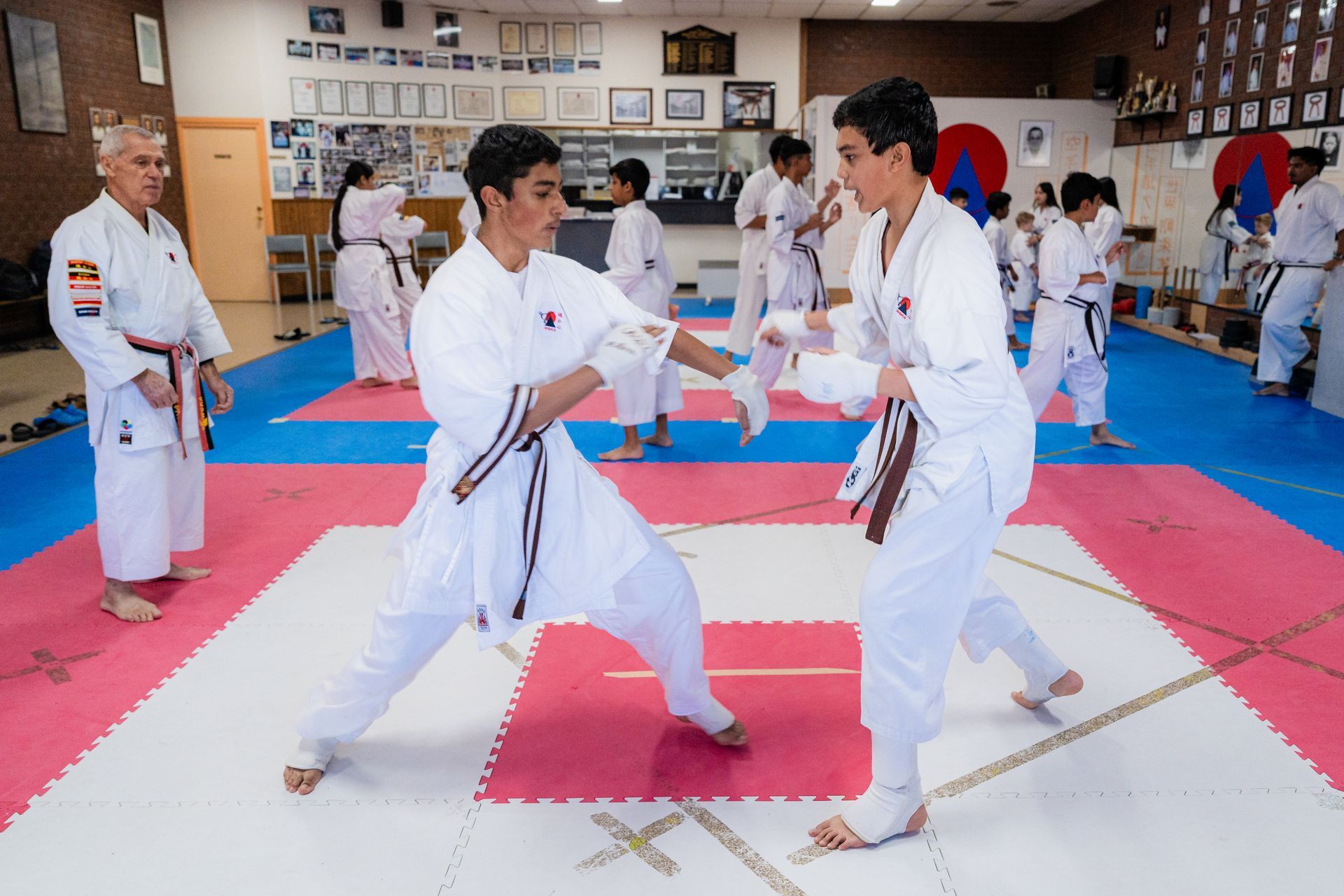
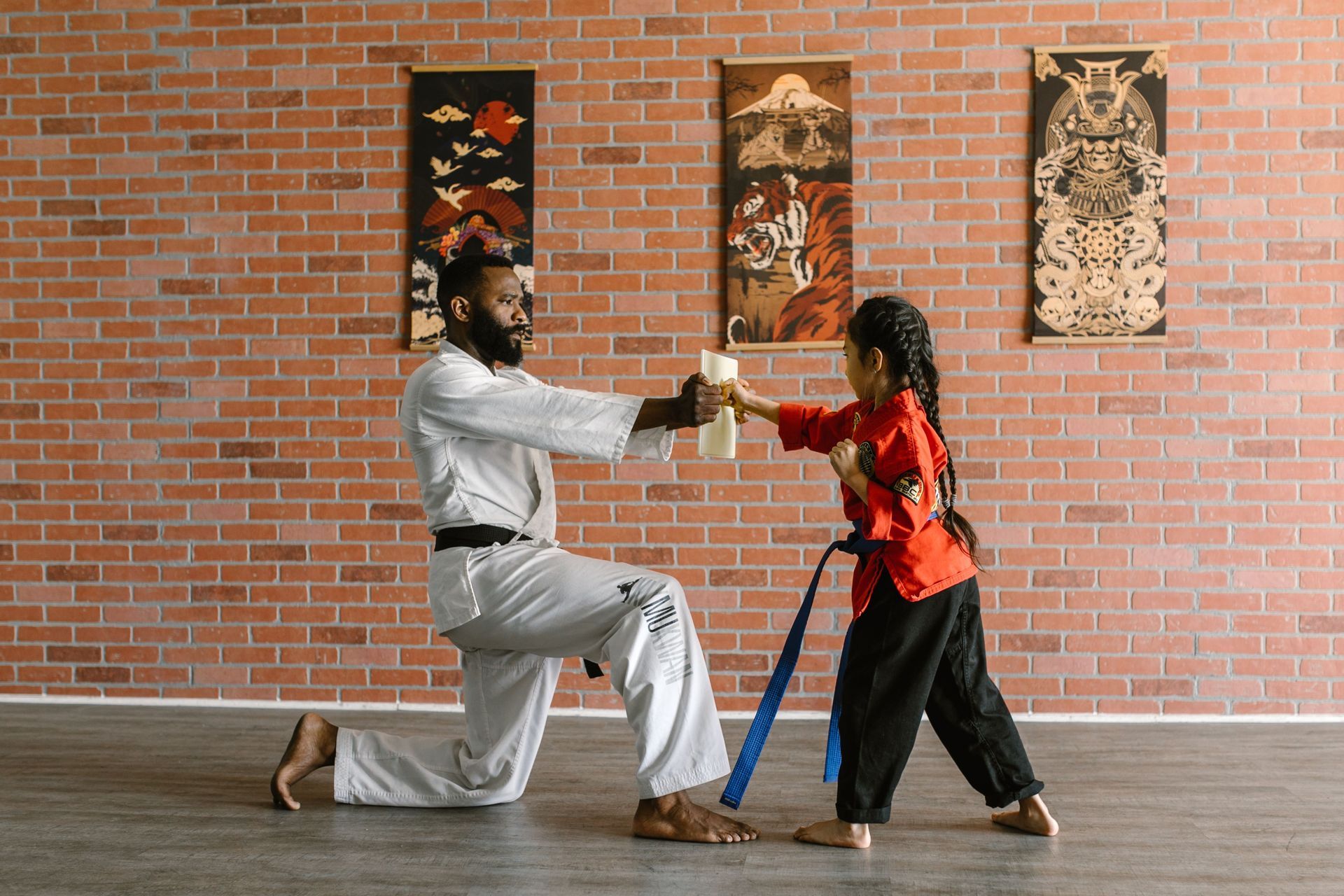
Although children train alongside other students and become part of a supportive martial arts community, their development is primarily individual. A child works on improving their own technique, concentration, fitness and understanding of karate.
Instead of worrying about whether they are the fastest runner, highest scorer or strongest player on the team, students can concentrate on becoming better than they were previously.
This distinction can make karate for kids particularly appealing for children who enjoy structured activities but do not necessarily thrive in highly competitive team environments.
1. Discipline: Developing Control From Within
Discipline matters in almost every area of childhood.
Children need it to complete homework, practise skills, listen in class, manage frustration and continue working when something becomes difficult. Both team sports and karate can teach discipline, but they often approach it differently.
In team sports, discipline may involve attending training, following a coach's instructions, staying in position and supporting teammates.
Karate places discipline at the centre of the learning process.
Students are expected to listen carefully, practise techniques repeatedly and gradually improve their movements. Progress requires patience. A difficult technique cannot simply be skipped because it is frustrating.
Over time, children begin to understand that improvement comes from consistent effort.
This can help develop self-discipline rather than discipline that exists only because a coach, parent or teacher is watching.
At Martial House WGKA Karate, the training philosophy places significant emphasis on concentration and discipline, with the aim of developing strategies students can transfer into school, home, work and relationships.
For parents researching martial arts for kids Thomastown, this broader approach to personal development can be an important consideration.
2. Individual Growth: Progress at Your Own Pace
One challenge with team sports is that children naturally compare themselves with other players.
Who scored the most goals? Who made the starting team? Who runs fastest? Who gets the most playing time?
Competition can certainly motivate some children, but constant comparison can discourage others.
Karate provides another model.
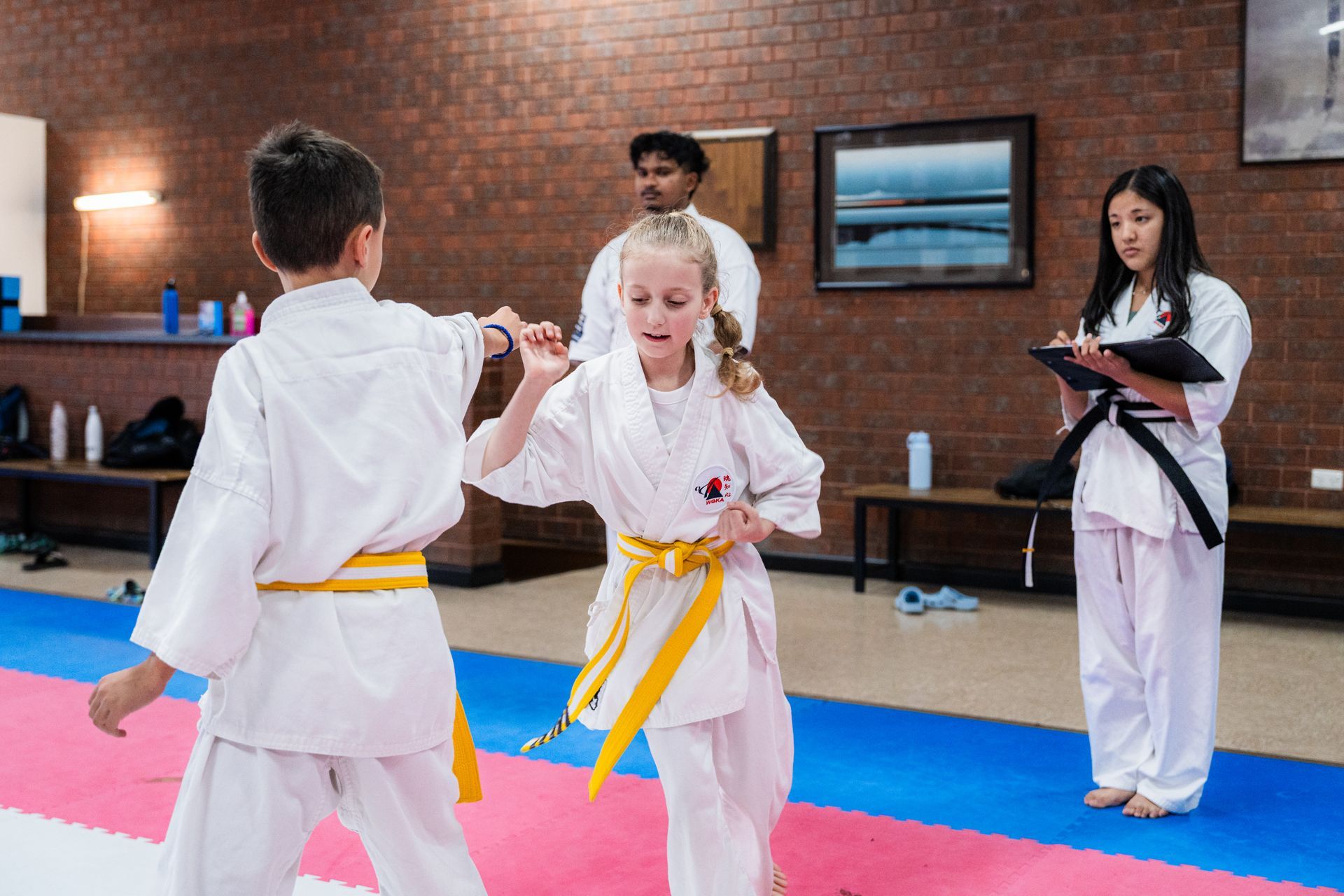
While students train together, each child's progress is personal. They develop their own techniques, improve their fitness and work through a structured curriculum.
A beginner does not need to perform like an advanced student.
They simply need to keep learning.
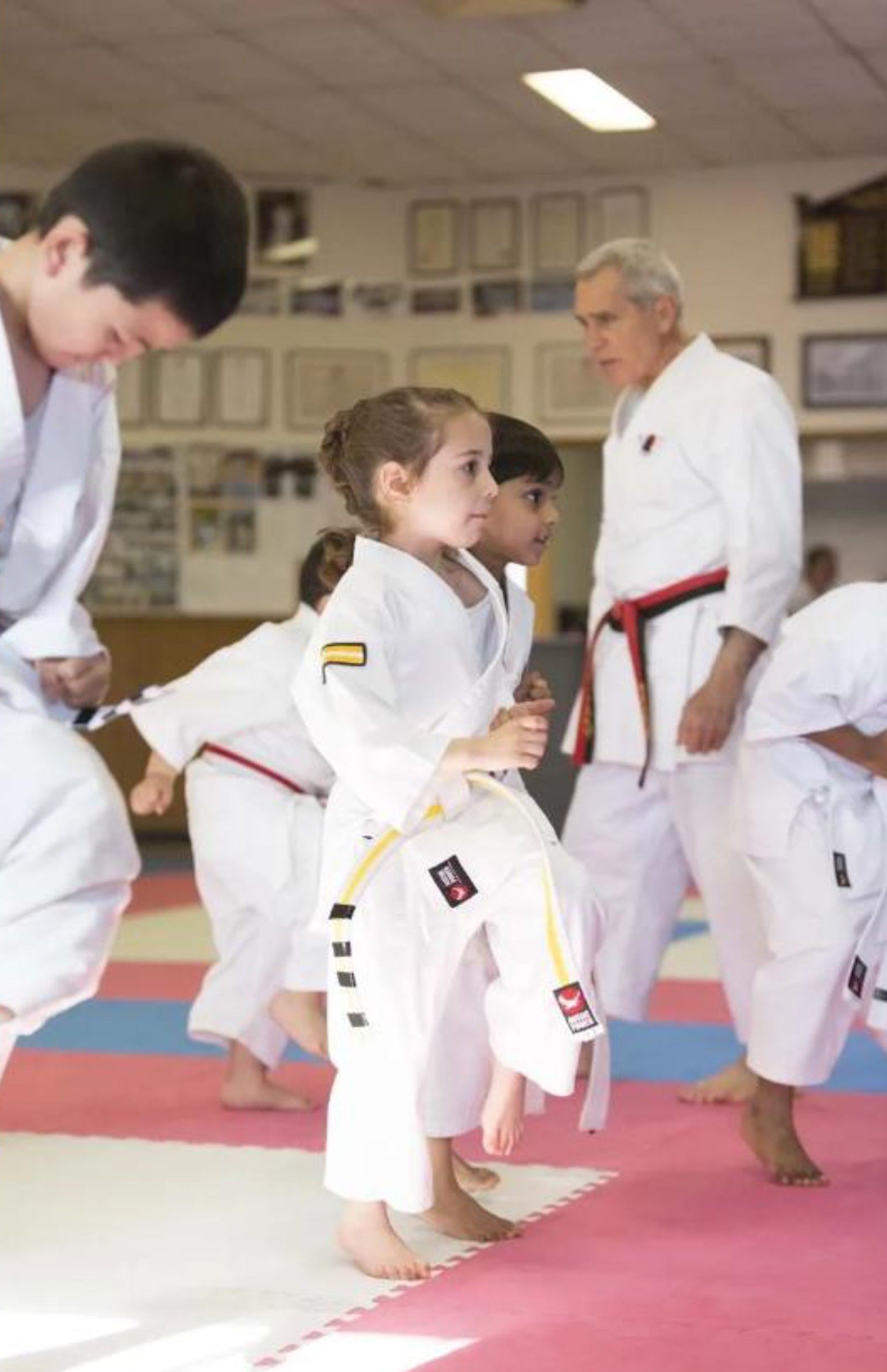
Martial House structures its Goju Ryu curriculum according to age and development, including programs for Mighty Mites aged 3–6, Pee Wees aged 7–11 and Juniors aged 12–17.
This creates a pathway through which children can continue developing as their age, maturity and ability change.
Individual progression can also teach an important lesson: success does not always happen immediately.
Children learn to break larger goals into smaller steps, practise consistently and recognise incremental improvements.
That mindset can become valuable far beyond karate.
3. Confidence Built Through Achievement
Confidence is another major reason parents consider karate for kids.
Team sports can certainly build confidence. Scoring a goal, winning a game or receiving praise from teammates can make a child feel proud.
However, confidence based heavily on winning or outperforming someone else can sometimes be fragile.
Karate offers opportunities to develop confidence through personal competence.
A child learns something they could not previously do. They remember a sequence, improve their balance, perform a technique more accurately or progress through their curriculum.
These achievements provide evidence that effort leads to improvement.
Gradually, children can begin thinking, "I couldn't do that before, but now I can."
That is a powerful form of confidence because it comes from the child's own progress.
Karate can also provide children with practical self-defence knowledge and improved awareness. Learning how to remain focused and respond appropriately in challenging situations may help children feel more capable without teaching them to seek confrontation.
The objective is not aggression. Traditional martial arts place strong emphasis on control, awareness and responsible behaviour.
4. Teamwork vs Personal Responsibility
One obvious advantage of traditional sports is teamwork.
Soccer players need to pass. Basketball players communicate. Football teams rely on individuals fulfilling different responsibilities.
These are excellent lessons for children.
Karate, however, is not an antisocial activity.
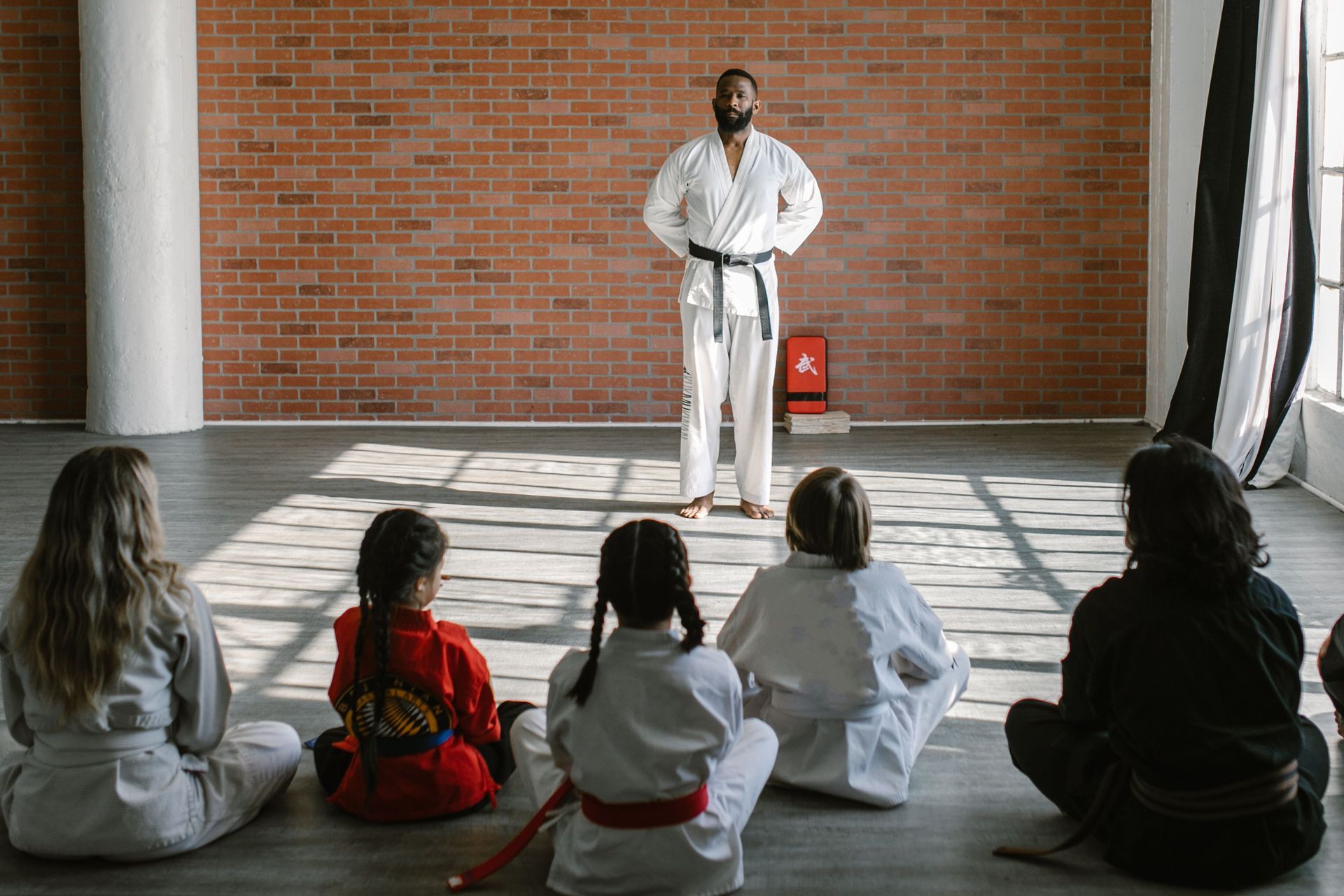
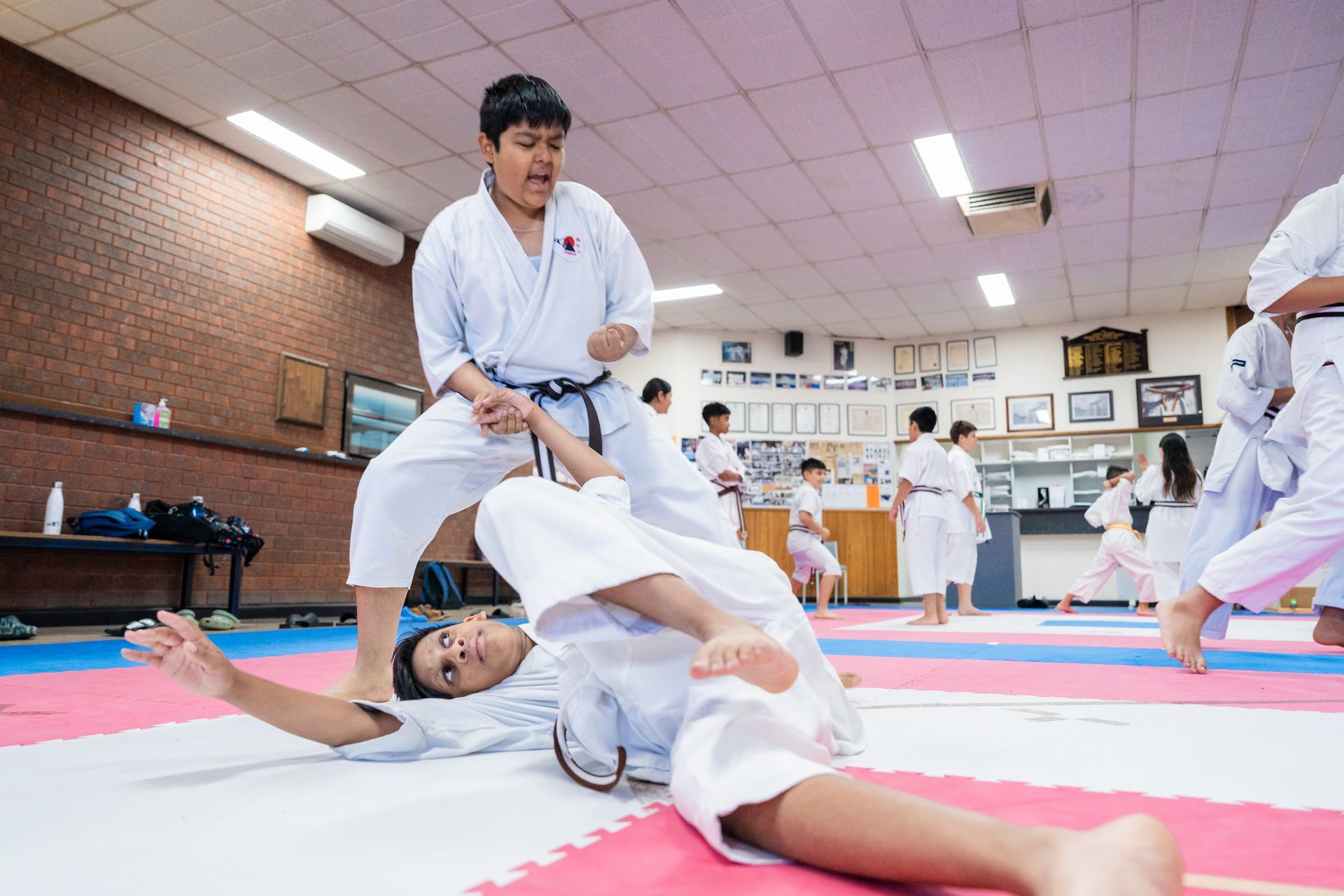
Students train alongside classmates, interact with instructors, practise with partners and become part of a martial arts community. They learn respect for instructors and fellow students while still taking responsibility for their own development.
This creates an interesting balance between social interaction and individual accountability.
If a child has not practised or paid attention, another student cannot complete the learning for them. Their development depends on their own effort.
That lesson can be extremely useful later in life.
Children eventually need to understand that while cooperation matters, they are also responsible for their own choices, preparation and progress.
5. Lifelong Skills Beyond the Playing Field
Many childhood sports are organised around seasons.
Children may play for several years and then stop as their interests change, school commitments increase or competitive opportunities become more limited.
Karate can offer a different pathway because martial arts can be practised across many stages of life.
The lessons learned through training can also remain useful even when someone is no longer regularly attending classes.
These may include:
- Discipline and concentration
- Goal setting
- Perseverance
- Coordination and body awareness
- Fitness and flexibility
- Respect for others
- Self-control
- Confidence
- Leadership
- Time management
- Practical self-defence awareness
Martial House's training programs specifically aim to develop leadership, time management and strategies that students can transfer into other areas of their lives.
That makes karate more than simply another after-school exercise session.
It can become a framework for personal development.
6. Physical Fitness Without Sitting on the Sidelines
Team sports provide excellent physical exercise, but participation levels can vary considerably.
Some children spend significant portions of games waiting on the bench or occupying positions where they are less consistently involved.
Karate training is different because every student participates in their own development.
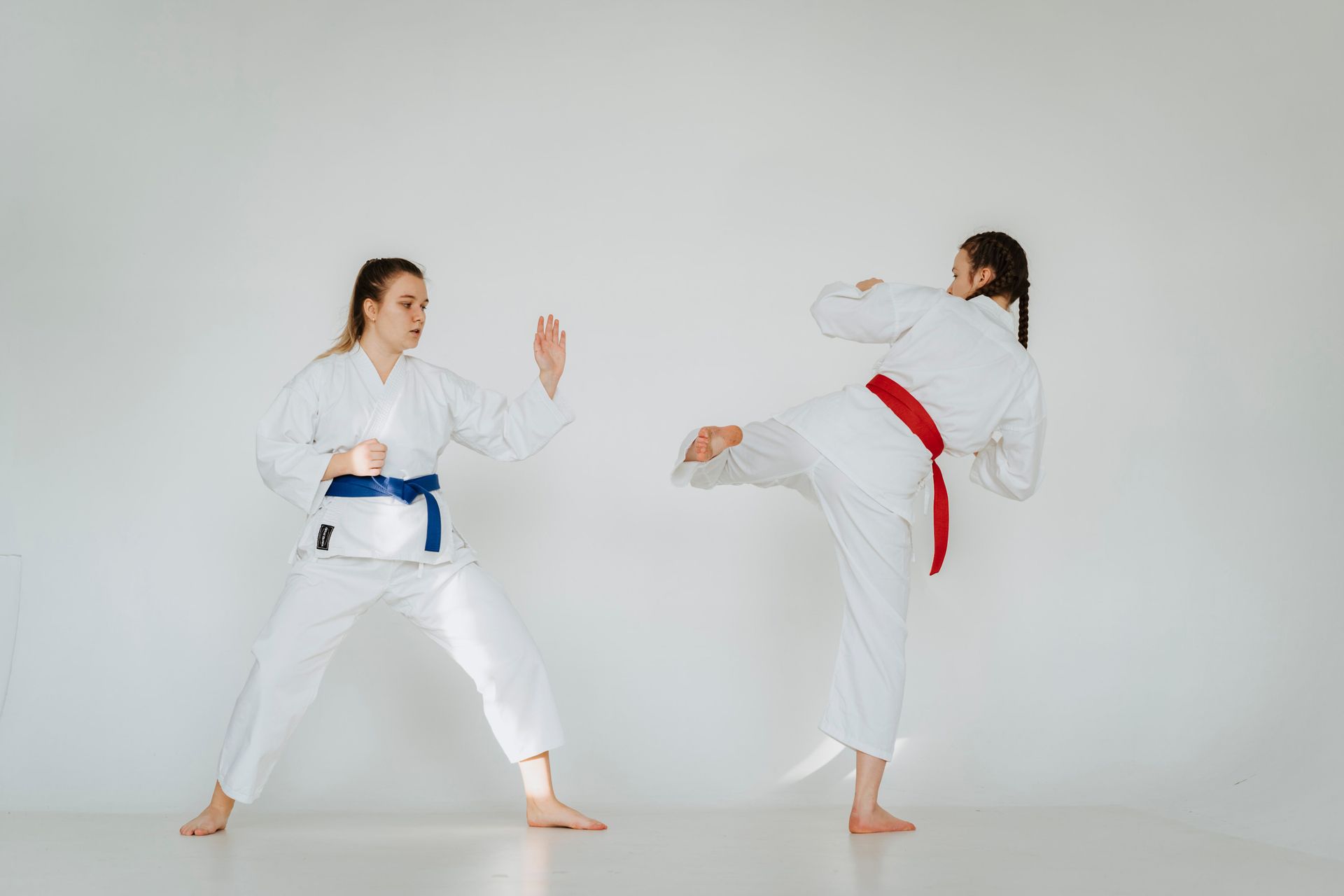
Classes can involve repeated movement, techniques, coordination exercises, balance, flexibility and conditioning. Children are actively learning while exercising.
For kids who are not attracted to running around a field chasing a ball, martial arts can provide another way to enjoy being physically active.
Karate can help children work on coordination, flexibility, strength, balance and overall body control while giving that physical activity a purpose: learning a skill.
That combination can make exercise more engaging.
7. What About Children Who Don't Enjoy Competitive Sports?
Not every child enjoys traditional competition.
Some love match day and the excitement of competing against another team. Others become anxious about letting teammates down, making mistakes publicly or being compared with stronger players.
Neither reaction is inherently wrong.
Children simply respond differently to different environments.
For a child who dislikes team competition but still needs physical activity, structure and social interaction, karate may offer a strong alternative.
Progress remains challenging, but the focus can shift toward self-improvement.
Instead of asking, "Did we beat them?" the question becomes, "What did I improve today?"
This is one reason martial arts for kids Thomastown parents are considering can complement or provide an alternative to conventional sports.
8. Does Your Child Have to Choose One?
Absolutely not.
Karate and team sports do not have to be competitors.
A child can play soccer and practise karate. In fact, skills developed through martial arts—such as balance, coordination, concentration, flexibility and perseverance—may complement participation in other sports.
The right combination depends on your child's interests, schedule and personality.
If your child loves being part of a football or basketball team, there may be no reason to stop.
Karate can simply provide another environment where they develop individually.
For children who have tried several team sports and never found one they enjoy, martial arts may provide the alternative they have been looking for.
So, Which Is Better: Karate or Team Sports?
There is no universal answer because every child is different.
Team sports are excellent for children who enjoy group competition, shared goals and the excitement of playing matches.
Karate may be particularly valuable for parents who want an activity combining physical fitness with individual progression, discipline, concentration, confidence and long-term personal development.
The biggest difference is ultimately what success looks like.
In a team sport, the scoreboard often provides an immediate answer.
In karate, success can be quieter.
It may be a child concentrating for longer than they could a month ago. It may be finally mastering a difficult movement. It may be showing greater patience, standing with more confidence or discovering that consistent effort produces results.
Those small improvements can eventually become significant life skills.
Discover Karate for Kids Near Thomastown
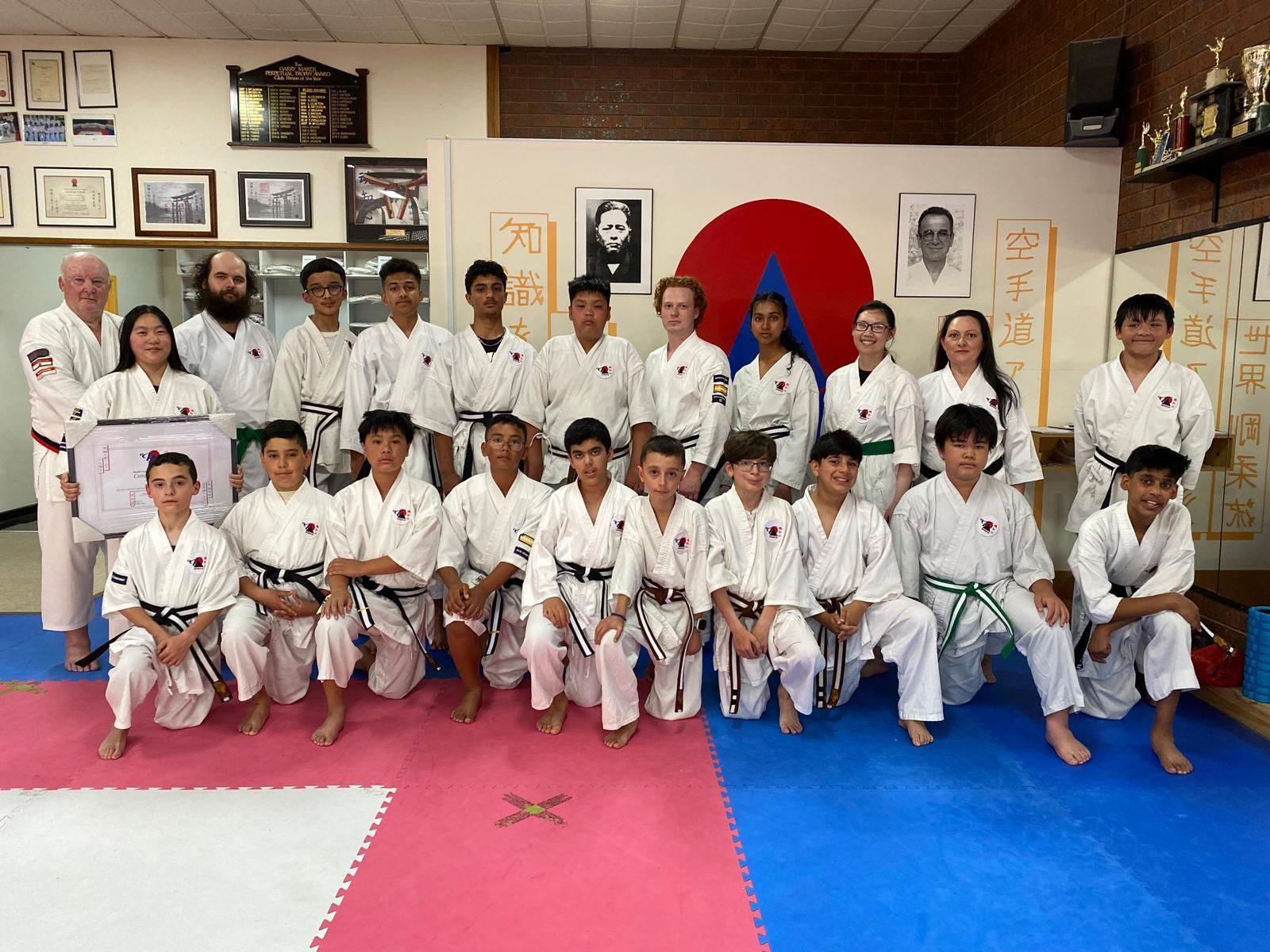
If you're searching for karate for kids or martial arts for kids Thomastown, Martial House WGKA Karate provides structured Goju Ryu karate training for different ages and stages of development.
Located at 12B May Road in Lalor and serving families from Thomastown, Epping and surrounding northern suburbs, Martial House has been providing Goju Ryu tuition from its current premises for approximately 30 years.
Its children's curriculum provides age-appropriate pathways from Mighty Mites through Pee Wees and Juniors, helping students progressively develop their physical skills, concentration, discipline and confidence.
Rather than wondering whether karate will suit your child, giving them an opportunity to experience a class can help you see how they respond to the environment.