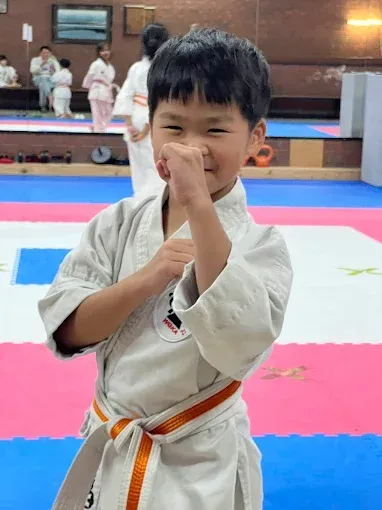



How Goju Ryu Karate Builds Confidence in Children and Teenagers
How Goju Ryu Karate Builds Confidence in Children and Teenagers
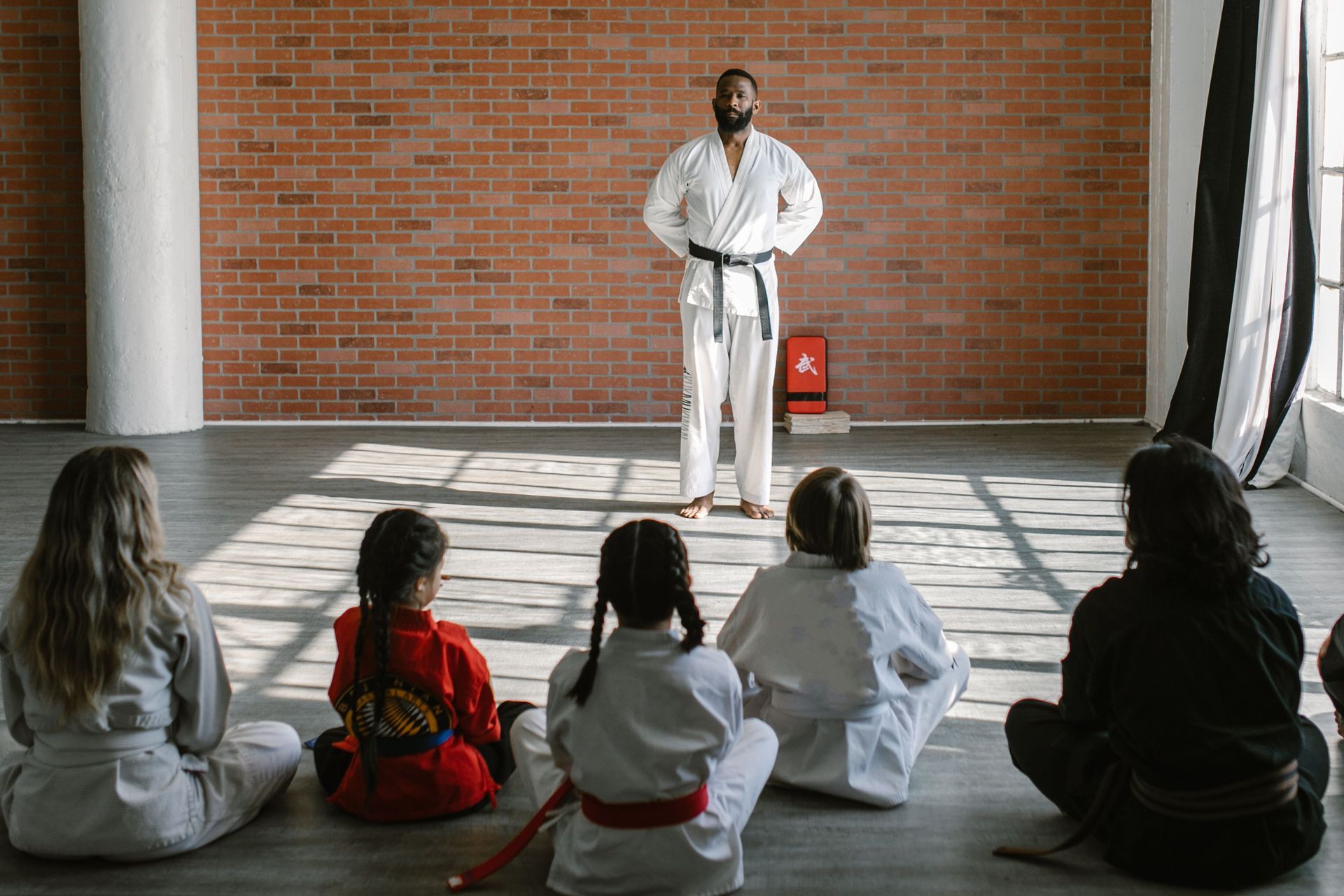
To View our YouTube Channel Click here
To View our Facebook Page Click here
Confidence in a child doesn’t usually appear overnight.
It grows through small experiences: trying something difficult, making a mistake, having another go, improving a little, and eventually realising, “I can do this.”
That process is one of the reasons martial arts can be such a valuable activity for children and teenagers.
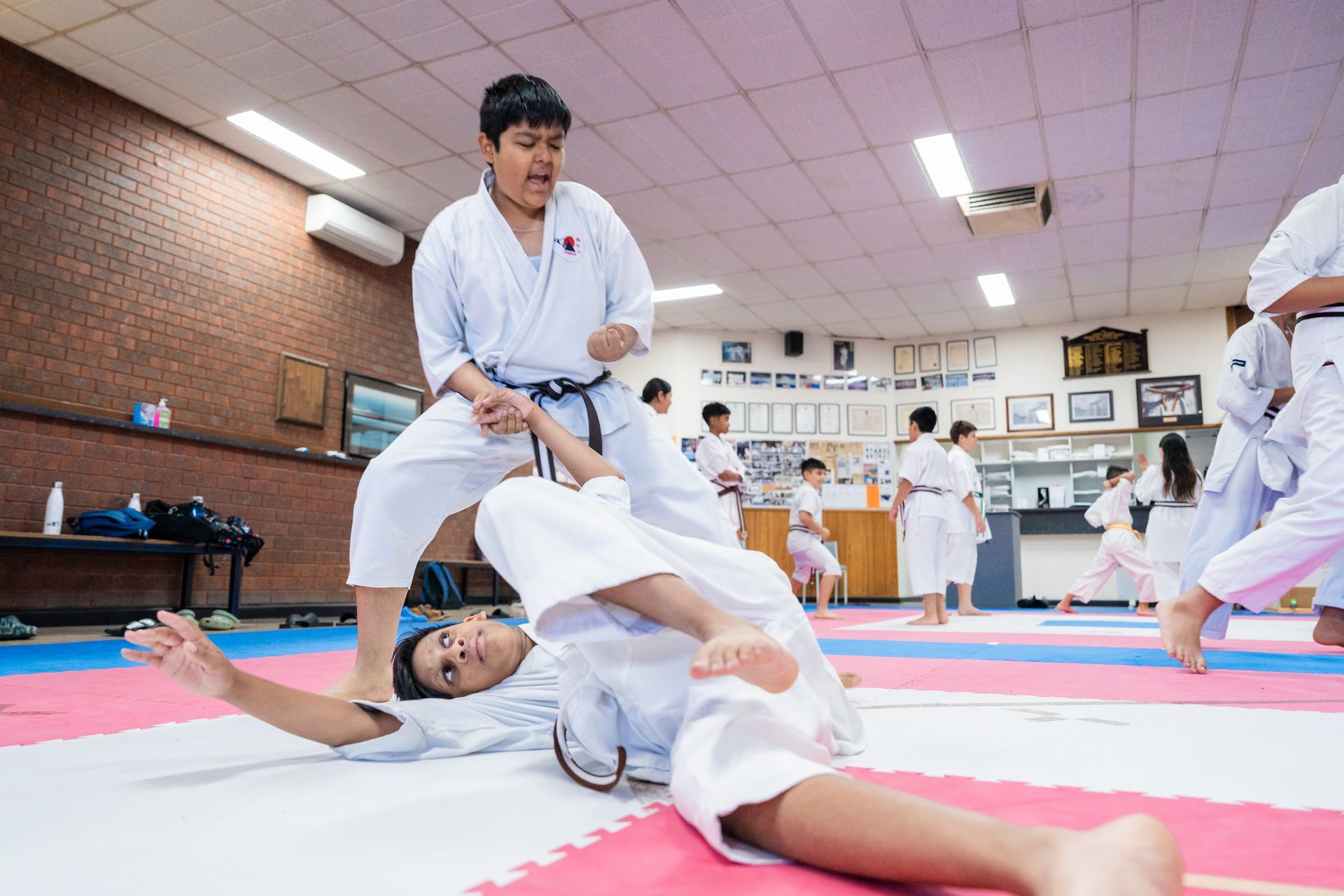
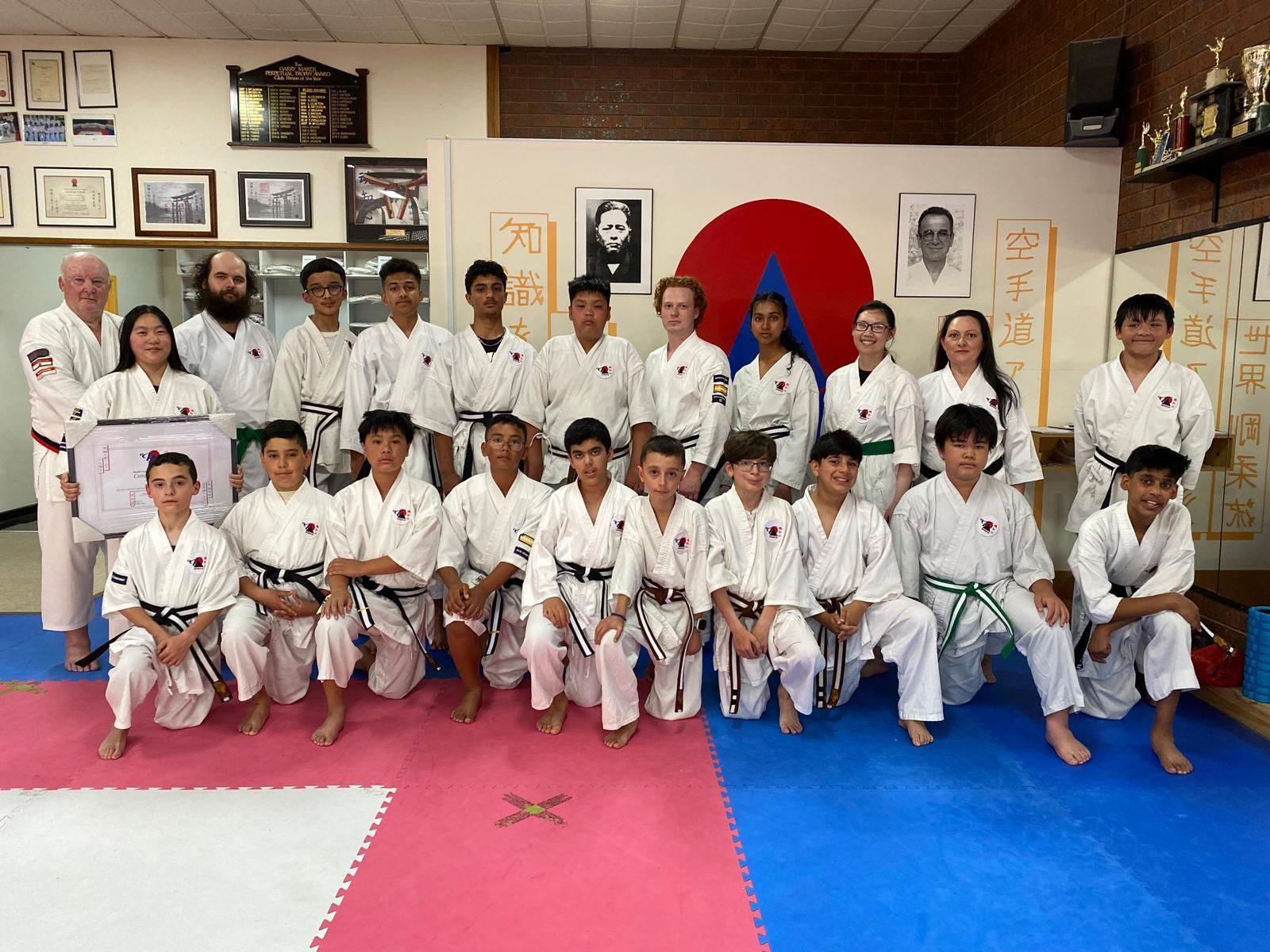
At Martial House WGKA in Lalor, Goju Ryu Karate training is about much more than learning punches, blocks, kicks and self-defence techniques. The training environment is structured to help young people develop concentration, discipline, resilience and the confidence to tackle challenges both inside and outside the dojo.
For parents searching for a Goju Ryu Karate school Lalor families can attend, understanding these wider benefits can be just as important as looking at the physical side of karate.
Confidence Comes From Doing, Not Simply Being Told
Parents naturally want their children to believe in themselves.
But telling a child to “be confident” only goes so far.
Real confidence tends to develop when children have evidence that they can overcome challenges.
Imagine a young student learning a karate technique for the first time. Their stance feels awkward. They forget where their hands are supposed to go. Perhaps another student seems to pick it up more quickly.
They could decide they are simply “not good at karate.”
Instead, structured training encourages them to keep working.
The instructor breaks the movement into manageable parts. The student practises it repeatedly. Gradually, the movement starts to make sense.
Then comes the moment when they perform it correctly without needing to think about every little detail.
That small achievement matters.
The student hasn't simply learned a karate technique. They have experienced the connection between effort, perseverance and improvement.
Repeat that process over months and years and something important begins to change.
The student starts approaching challenges with a different question.
Instead of thinking, “What if I can't do it?” they begin thinking, “What do I need to do to improve?”
That is confidence built through experience.
A Structured Path Helps Children See Their Progress
One of the strengths of traditional martial arts is that development happens progressively.
Martial House has structured its Goju Ryu curriculum around different ages and stages of development.
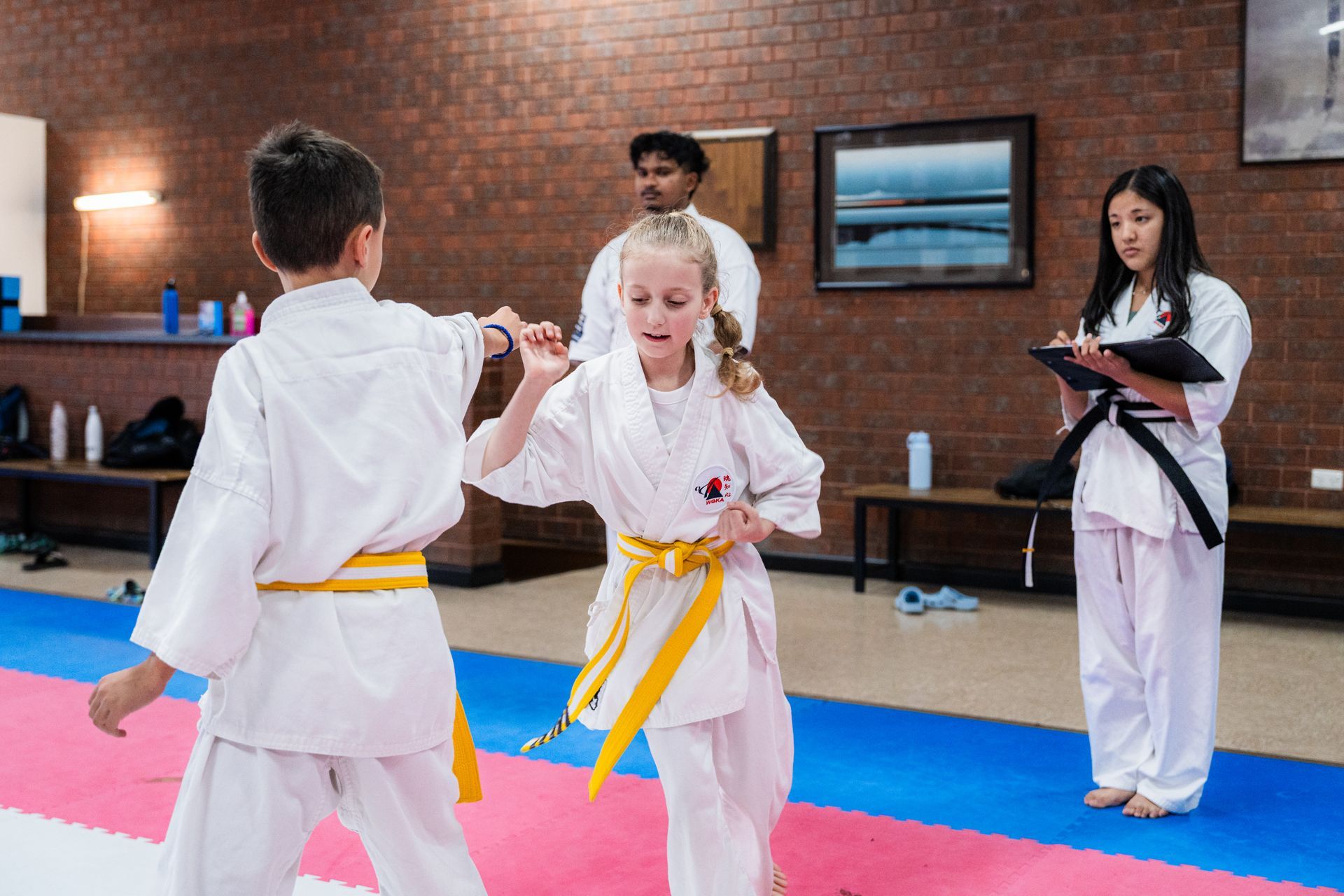
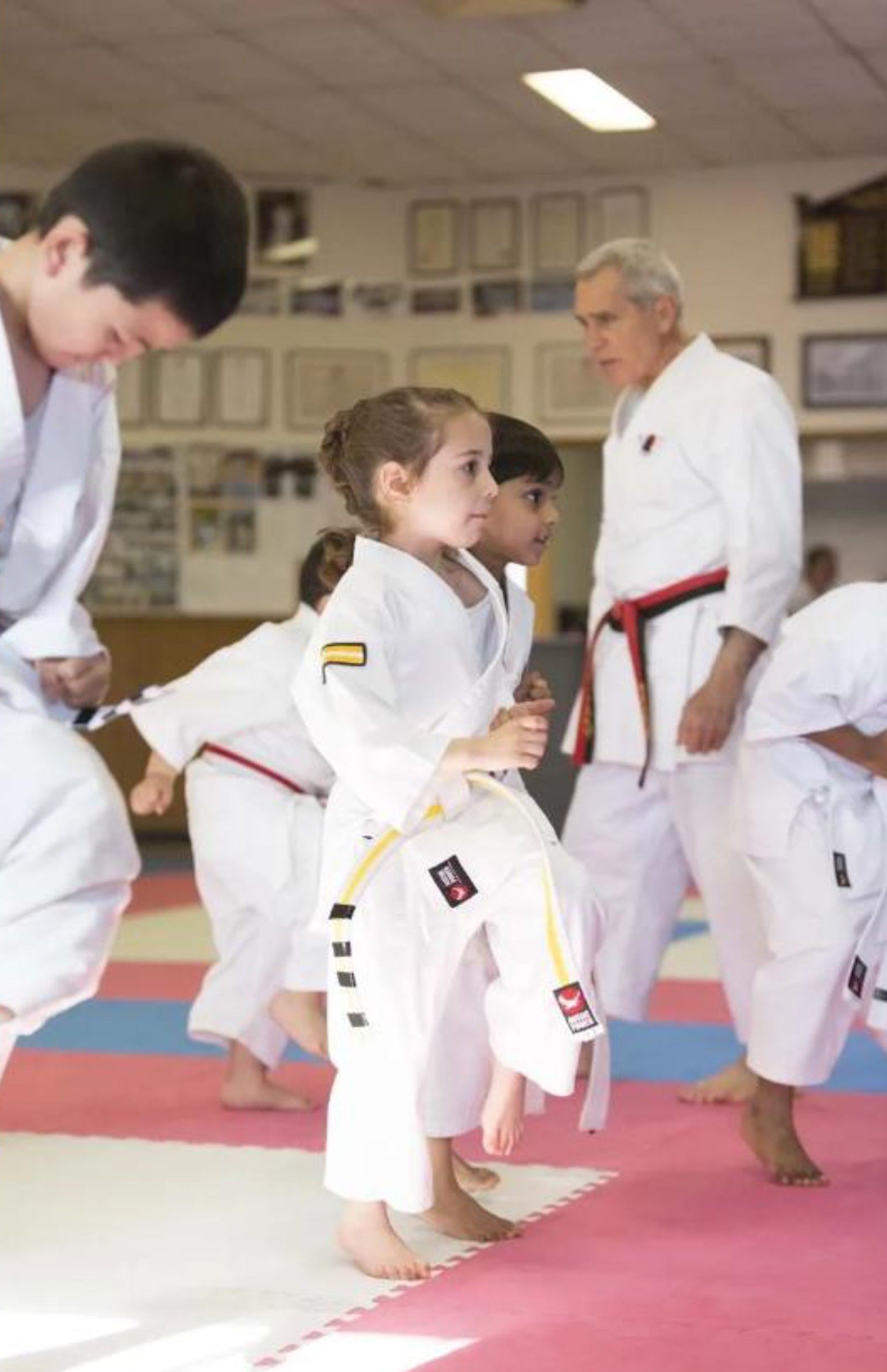
Programs include Mighty Mites for approximately 3–6 years, Pee Wees for 7–11 years and Juniors for 12–17 years, before students progress into the senior and advanced Dan-grade curriculum.
This means children aren't simply placed into an adult program and expected to keep up.
Their training can develop as they develop.
The curriculum provides students with increasingly challenging material as they progress towards higher grades. Rather than expecting instant success, students learn that improvement comes one step at a time.
For a child, those steps provide visible evidence of progress.
Something that seemed difficult three months ago may now feel natural.
A technique they couldn't remember is suddenly part of their routine.
A nervous beginner may eventually find themselves helping a newer student understand something they once struggled with themselves.
Those experiences can have a powerful effect on self-esteem.
Karate Teaches Children That Mistakes Are Part of Learning
Children and teenagers face plenty of situations where they feel judged.
School results, sport, friendships and social media can all create pressure to appear capable and successful.
Karate offers a different lesson:
You don't need to get everything right immediately.
Mistakes are unavoidable in martial arts.
A student forgets part of a Kata. Their balance isn't quite right. Their timing during partner training needs work. An instructor corrects their stance for what feels like the hundredth time.
Then they practise again.
This process can help young people become more comfortable with correction.
Rather than seeing feedback as proof that they have failed, they can gradually learn to see it as information they can use to improve.
That's resilience in a very practical form.
At Martial House, this idea connects with the school's broader emphasis on developing passion, resilience and the “grit” needed to work towards long-term goals.
Building Resilience One Challenge at a Time
Resilience isn't about pretending that difficult things are easy.
It's about learning that difficulty can be managed.
Consider a teenager preparing for a grading.
They may be nervous. They might worry about forgetting something or making a mistake in front of instructors and other students.
The easy response would be to avoid the situation.
Karate asks them to prepare for it instead.
They practise their techniques, refine their Kata, listen to corrections and continue working.
Whether everything goes perfectly isn't really the most important lesson.
The valuable experience is learning how to prepare for a challenge and keep going when there is pressure.
Over time, that mindset can become relevant far beyond karate.
A difficult school assignment, an upcoming exam, a job interview or speaking in front of a group may still feel uncomfortable. But the teenager has already experienced situations where preparation and persistence helped them deal with nerves and uncertainty.
Karate doesn't remove challenges from a young person's life.
It can help give them a framework for responding to them.
Discipline Creates a Different Kind of Confidence
Confidence is sometimes confused with being loud, outgoing or fearless.
A quiet child can be extremely confident.
A naturally outgoing teenager can still struggle badly with self-doubt.
Goju Ryu Karate encourages confidence built around competence, discipline and self-control rather than simply appearance.
Students need to listen.
They need to concentrate.
They need to practise.
They need to respect the people around them.
And they need to understand that learning physical skills brings responsibility.
Martial House's approach to self-defence reflects this philosophy. Students aren't taught that every confrontation needs a physical response. Training also emphasises awareness, emotional control, judgement and avoiding unnecessary conflict.
For children and teenagers, that's an important distinction.
Knowing how to defend yourself can build confidence.
Knowing that you don't have to prove yourself can build even more.
From Student to Leader
Leadership doesn't always begin with someone standing at the front of a room.
Sometimes it begins with helping the person beside you.
Picture a teenager who has trained for several years being partnered with a beginner.
The experienced student remembers what those first few classes felt like. Instead of showing off, they help the beginner understand where to stand or encourage them when a technique isn't working.
Something subtle has happened.
The student is no longer thinking only about their own performance. They're learning to use their experience to help somebody else.
That is an early form of leadership.
Martial House also places considerable emphasis on instructor development. Its instructor-trainee pathway is a structured, multi-year program involving both training and teaching experience.
That reinforces an important part of the school's philosophy: learning and teaching are connected.
As students become more experienced, they can increasingly become positive examples for less experienced students.
Leadership becomes something they practise rather than simply something they are told about.
Why This Can Be Particularly Valuable for Teenagers
The teenage years can be complicated.
Young people are developing their identity while dealing with school expectations, friendships, changing bodies, greater independence and increasing pressure about their future.
Not every teenager wants another competitive environment.
Karate can provide something different: a personal journey where the main comparison is often with the person you were yesterday.
Can your technique improve?
Can you maintain concentration a little longer?
Can you respond more calmly?
Can you keep training when progress feels slow?
Can you accept feedback without giving up?
These are small questions with surprisingly large implications.
Teenagers who learn to connect progress with consistent effort can begin developing a healthier understanding of achievement.
They don't have to be instantly good at everything.
They can become better.
Self-Esteem Built on Genuine Achievement
Healthy self-esteem isn't the belief that you're perfect.
It's knowing that you're capable of learning, adapting and contributing even when you're not perfect.
Karate provides regular opportunities for young people to experience that.
The first class is an achievement.
Remembering the first sequence is an achievement.
Completing a difficult training session is an achievement.
Helping another student is an achievement.
Reaching the next grade after sustained practice is an achievement.
Eventually, a child can look backwards and recognise how much has changed.
The beginner who was once hesitant to walk onto the floor may now train comfortably alongside others.
The teenager who used to become frustrated whenever something went wrong may have learned to reset and try again.
These aren't dramatic movie moments.
They're gradual changes created through consistent practice — and that is precisely why they can be meaningful.
Confidence That Can Extend Beyond the Dojo
Martial House describes its mission as developing skills and strategies that students can transfer into school, home, work and relationships.
That transfer is important.
Karate training itself is only part of the picture.
A child who learns to concentrate while practising Kata may begin to recognise the value of concentration elsewhere.
A teenager who spends months working towards a grading experiences delayed gratification.
A student who receives corrections respectfully learns that feedback doesn't have to be threatening.
Someone who helps a beginner discovers that knowledge carries responsibility.
And a young person who keeps training through difficult periods learns that progress isn't always immediate.
Those are life skills disguised as karate lessons.
Why the Instructor Matters
The benefits of martial arts depend heavily on how the martial art is taught.
Children need instructors who understand when to challenge them, when to encourage them and how to communicate according to their age and level of experience.
Martial House places a strong emphasis on instructor development alongside technical knowledge.
The school is led by Joseph Ielasi, whose Goju Ryu journey began in 1969, and Martial House's teaching model includes qualified instructors as well as instructor-trainees progressing through a structured development program.
For parents, that matters because teaching children isn't simply about knowing karate.
It's about knowing how to help another person learn it.
Finding a Goju Ryu Karate School in Lalor
If you're considering karate for your child or teenager, it can be useful to look beyond the obvious questions about kicks, punches and belts.
Ask what kind of person the training is designed to help develop.
Does the program encourage patience?
Are children taught to respect others?
Is progress structured?
Are mistakes treated as part of learning?
Are students challenged without being made to feel inadequate?
Does training encourage self-control rather than aggression?
Are older or more experienced students encouraged to become positive examples for beginners?
These questions can tell you a great deal about the culture of a martial arts school.
For families looking for a Goju Ryu Karate school Lalor students can grow with, Martial House offers age-specific programs and a structured pathway from young beginner through to advanced karate training.
Small Steps Can Produce Big Changes
A parent may initially enrol their child in karate because they want them to become more active, learn self-defence or spend less time in front of a screen.
Those are perfectly reasonable reasons to start.
But the changes that matter most can sometimes be the ones that are harder to measure.
A child speaks a little more confidently.
A teenager handles correction without becoming discouraged.
A student keeps trying when a technique becomes frustrating.
An older student takes responsibility for helping a beginner.
Someone who once said, “I can't do that,” starts saying, “I can't do that yet.”
That is where karate can become much more than a physical activity.
Through structured challenges, consistent practice, supportive instruction and gradual progression, Goju Ryu Karate can give children and teenagers repeated opportunities to discover what they're capable of.
And confidence built through genuine effort is something they can carry with them long after class finishes.
Start Goju Ryu Karate at Martial House Lalor
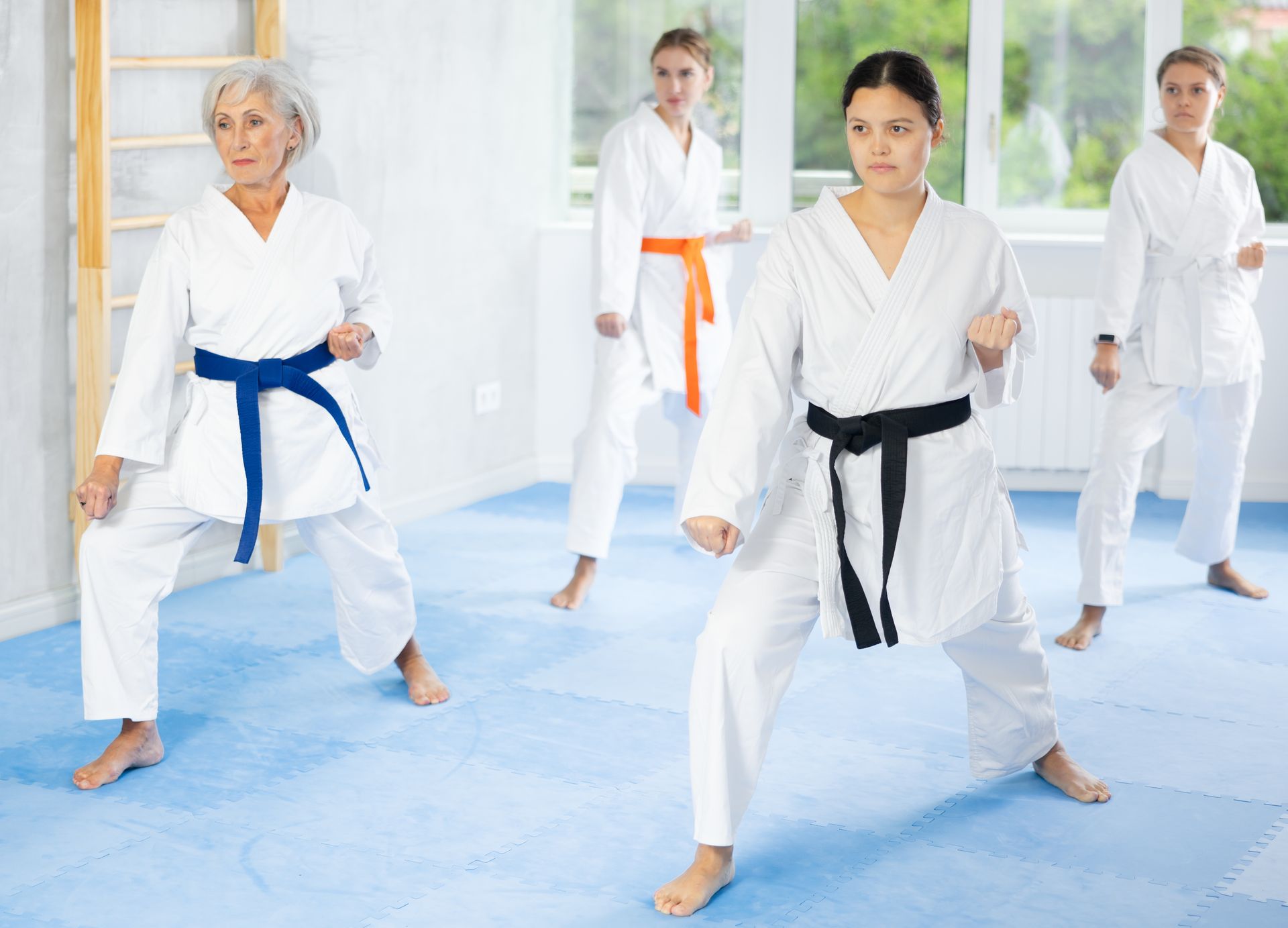
Martial House WGKA teaches traditional Goju Ryu Karate from its Lalor dojo, with programs for young children, school-aged students, teenagers and adults.
For parents interested in helping their child develop confidence, resilience, discipline and practical martial arts skills, experiencing a class can be the simplest way to understand how the training works.
Visit Martial House in Lalor to learn more about its children's and teenage Goju Ryu Karate programs and take the first step in your child's martial arts journey.
Frequently Asked Questions
Can Goju Ryu Karate help a shy child become more confident?
Karate can provide shy children with opportunities to build confidence gradually. Instead of demanding that a child suddenly become outgoing, structured training allows them to develop skills, achieve manageable goals and become more comfortable participating alongside other students.
What age can children start Goju Ryu Karate at Martial House?
Martial House's curriculum includes Mighty Mites for children approximately 3–6 years old, Pee Wees for approximately 7–11 years and Juniors for approximately 12–17 years. Training is therefore adapted to different stages of childhood and adolescence.
How does karate teach resilience?
Students regularly encounter techniques they cannot perform perfectly at first. They practise, receive feedback and try again. Over time, this repeated process can teach young people that temporary difficulty doesn't mean they are incapable of succeeding.
Does learning karate encourage children to fight?
Responsible martial arts training teaches the opposite. Martial House's approach to self-defence emphasises awareness, self-control and assessing situations, with physical techniques treated as something to use when other options have been exhausted.
How does Goju Ryu Karate develop leadership?
As students become more experienced, they have opportunities to demonstrate good behaviour, work responsibly with training partners and help less experienced students. Martial House also has a structured instructor-development pathway for people progressing into teaching roles.
Where is Martial House Goju Ryu Karate located?