


What to Expect at Your First Karate Class at Martial House
What to Expect at Your First Karate Class at Martial House
To View our YouTube Channel Click here
To View our Facebook Page Click here
Thinking about trying karate but feeling a little nervous about your first lesson? You're certainly not alone.
Maybe you've been looking for an activity that helps your child develop confidence and discipline. Perhaps you want to improve your fitness, learn practical self-defence skills, or finally try something you've been curious about for years.
Whatever brings you to karate, walking into a dojo for the first time can feel like a big step.
The good news? You don't need any experience, special fitness level, or knowledge of martial arts to get started.
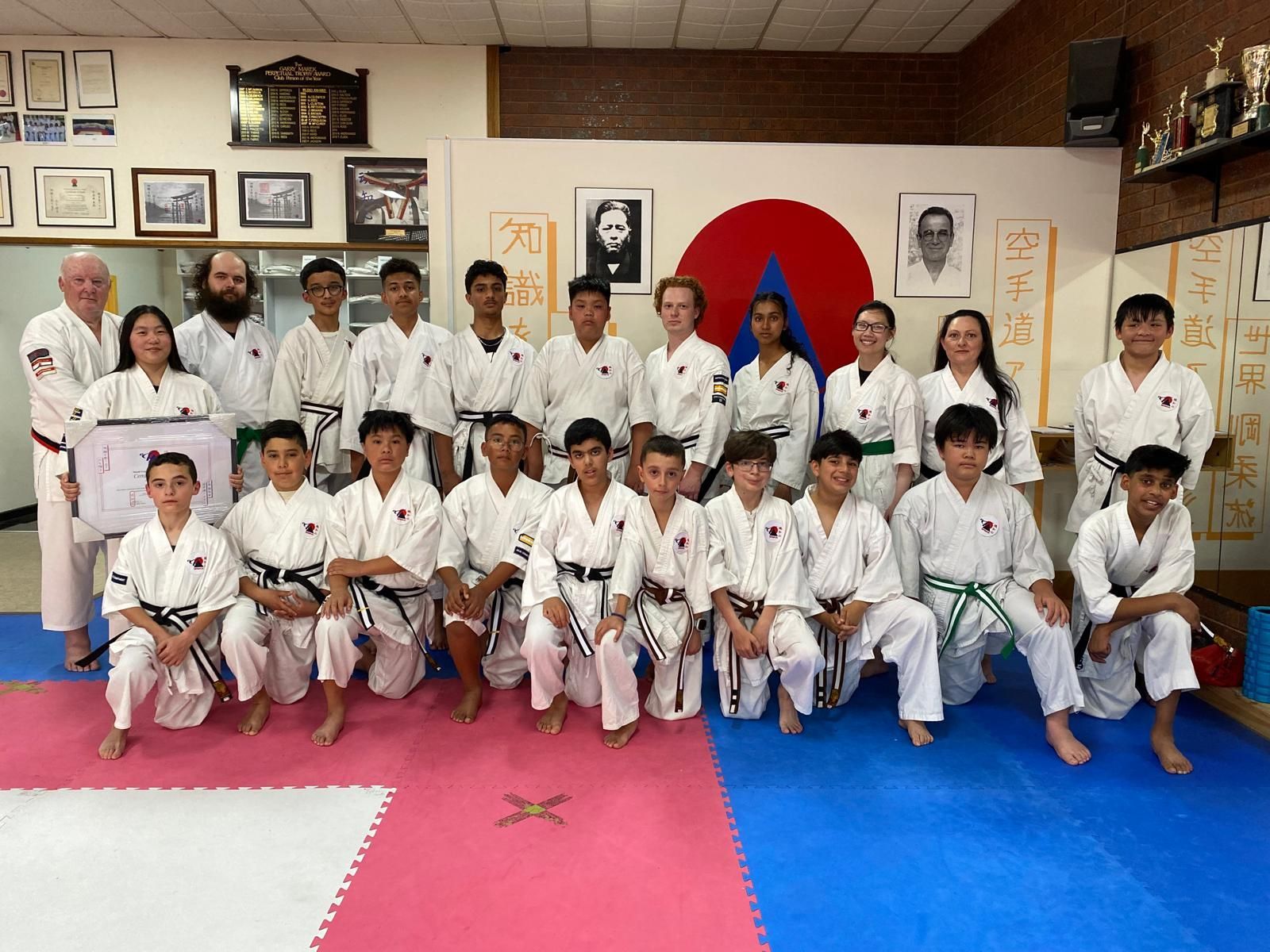
At Martial House WGKA in Lalor, beginners are welcomed into a structured training environment where learning happens one step at a time.
If you've been searching for beginner karate classes Lalor, this guide will help you understand what your first visit involves, from warm-ups and basic techniques to karate etiquette, uniforms, instructors, and the introductory program.
By the time you finish reading, you'll know what to expect and how to prepare for your first class.
1. Arriving at Martial House: Your First Step Into the Dojo
Your karate experience begins before you throw your first punch or practise your first kick.
Martial House is located at 12B May Road, Lalor VIC 3075, welcoming students from Lalor, Epping, Thomastown, and surrounding northern Melbourne suburbs.
For someone who's never visited a martial arts school before, the environment might feel unfamiliar. You may notice students wearing traditional white karate uniforms, practising movements, or listening carefully to their instructors.
Don't worry about knowing what everything means.
Nobody expects a beginner to understand karate traditions on their first day.
It's a good idea to arrive around 10–15 minutes early so you can introduce yourself, ask questions, and become comfortable with the surroundings.
If you're bringing your child, arriving early also gives them a chance to settle in without feeling rushed.
A helpful tip: Let the instructor know if you or your child feels nervous. It's a common experience, and communicating openly makes it easier to provide appropriate guidance.
2. What Happens During the Warm-Up?
Like most physical activities, karate begins with preparing your body for movement.
At Martial House, the introductory program includes warm-up and stretching exercises designed to introduce students to the physical side of training.
Depending on the class and individual ability, warm-up activities may involve:
- Gentle jogging or movement exercises
- Arm circles and shoulder rotations
- Light stretching
- Basic balance and coordination activities
- Simple exercises to prepare the legs and core
The purpose isn't to exhaust you before the lesson begins.
It's to help your body become ready for karate movements while gradually developing coordination, flexibility, and body awareness.
What if you're not very fit?
This is one of the most common concerns among adults considering their first karate lesson.
You might wonder whether you'll struggle to keep up or feel embarrassed because other students appear more athletic.
Remember, karate is something you practise to develop fitness. You don't need to achieve a particular fitness level before starting.
Everyone begins with different strengths, limitations, and abilities.
The important thing is to work at a suitable pace, listen to your instructor, and focus on gradual improvement.
For children, warm-ups can also help them become comfortable with following instructions and moving confidently in a group.
3. Learning Your First Karate Techniques
Once you've warmed up, it's time for one of the most exciting parts of your first class: learning actual karate movements.
Martial House teaches Goju Ryu Karate-Do, a traditional Okinawan martial art that combines hard and soft principles of movement.
You won't be expected to understand complicated techniques immediately.
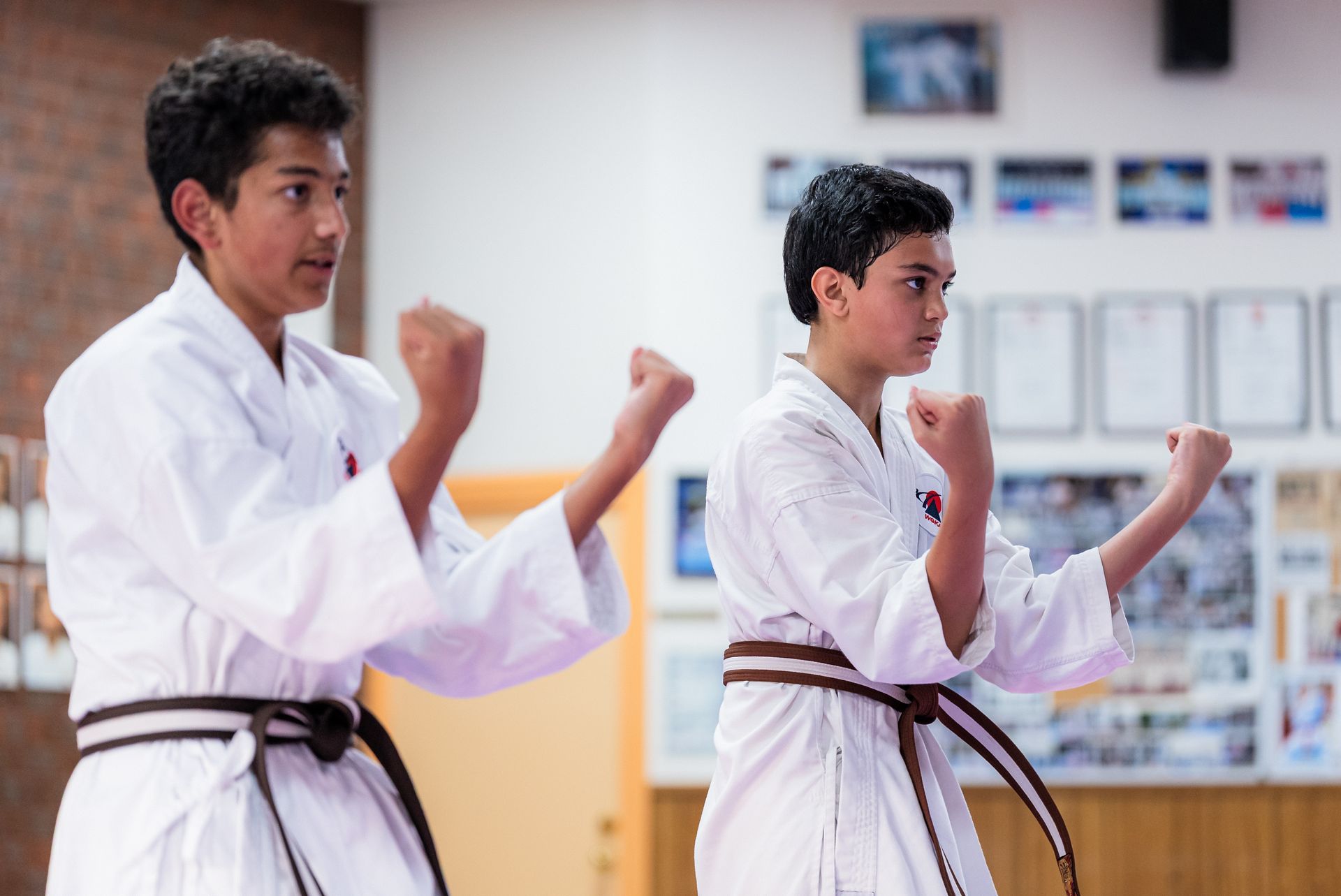
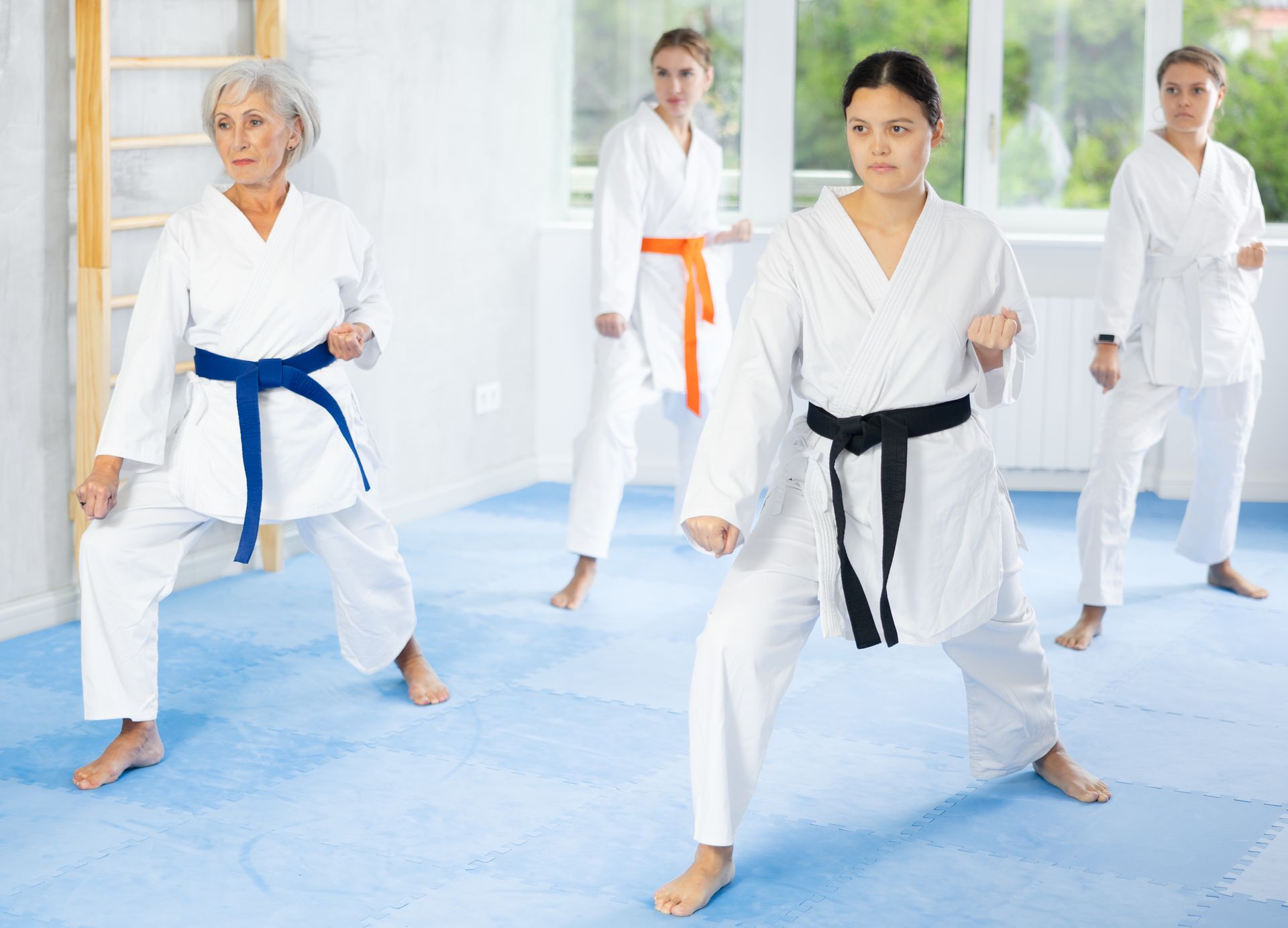
Instead, beginners are introduced to the foundations of karate, which can include basic stances, punches, blocks, and controlled movements.
Basic stances
Your stance is the foundation of many karate techniques.
An instructor may introduce simple standing positions that help you understand balance, posture, and how to distribute your weight.
They might look easy at first, but you'll quickly discover that small adjustments can make a big difference.
Punching techniques
You may practise how to form a fist correctly and extend your arm with control.
The emphasis is on technique rather than hitting something as hard as possible.
Learning how to coordinate your body is an important part of developing effective karate skills.
Blocking movements
Karate also involves learning how to protect yourself.
Beginners may be introduced to basic defensive movements that develop coordination and awareness.
Controlled kicking
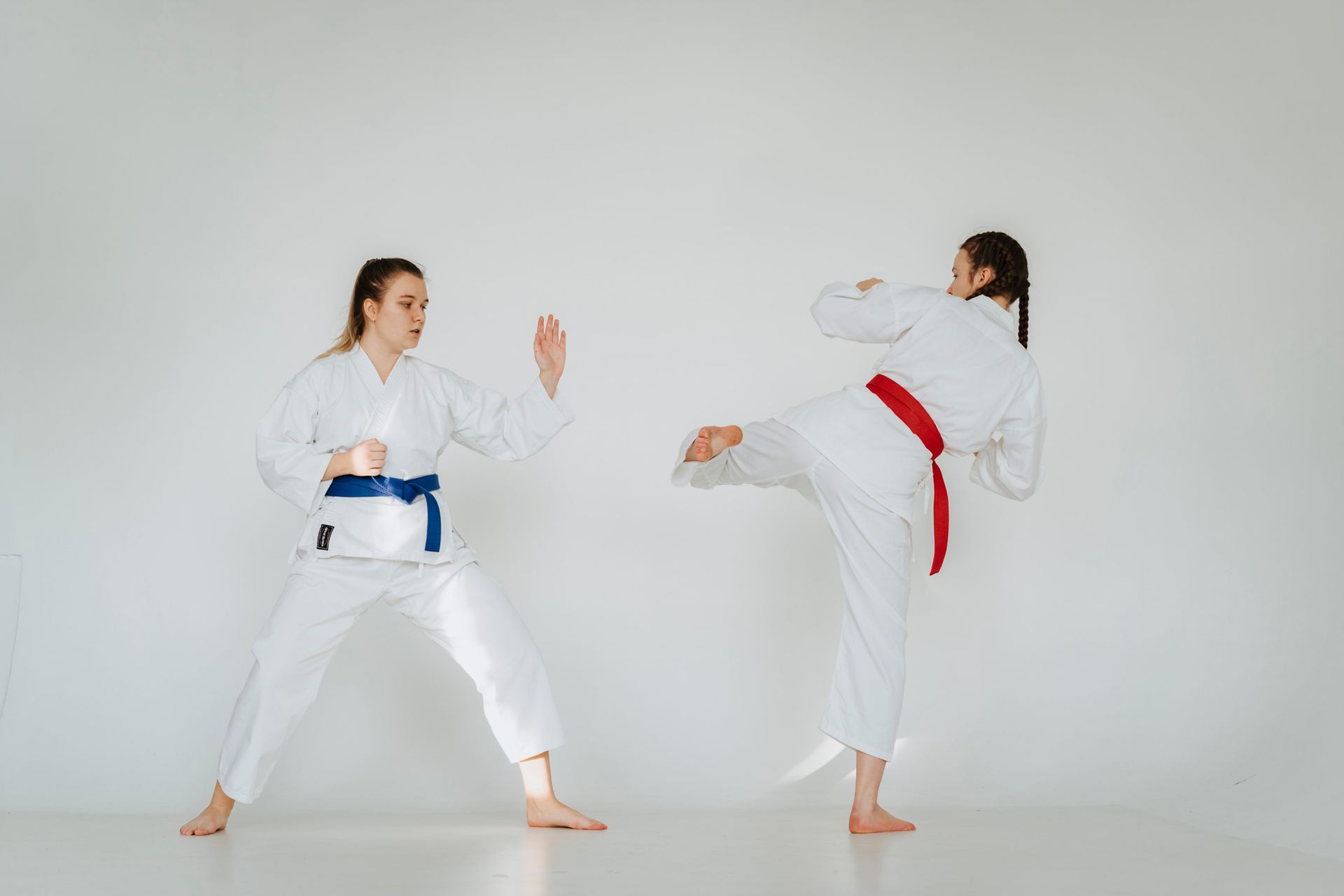
Depending on your introductory lesson, you might also explore a simple kicking movement.
There's no need to worry if you can't kick particularly high.
Good karate technique is about control, balance, and correct movement, not showing off flexibility.
Your first class is about discovering the basics, not mastering them.
Every experienced karate student was once a beginner learning these same movements.
4. Understanding Karate Etiquette: Respect Comes First
One thing that makes traditional karate different from an ordinary fitness class is its emphasis on etiquette.
At Martial House, respect, discipline, concentration, and self-control are important parts of the training philosophy.
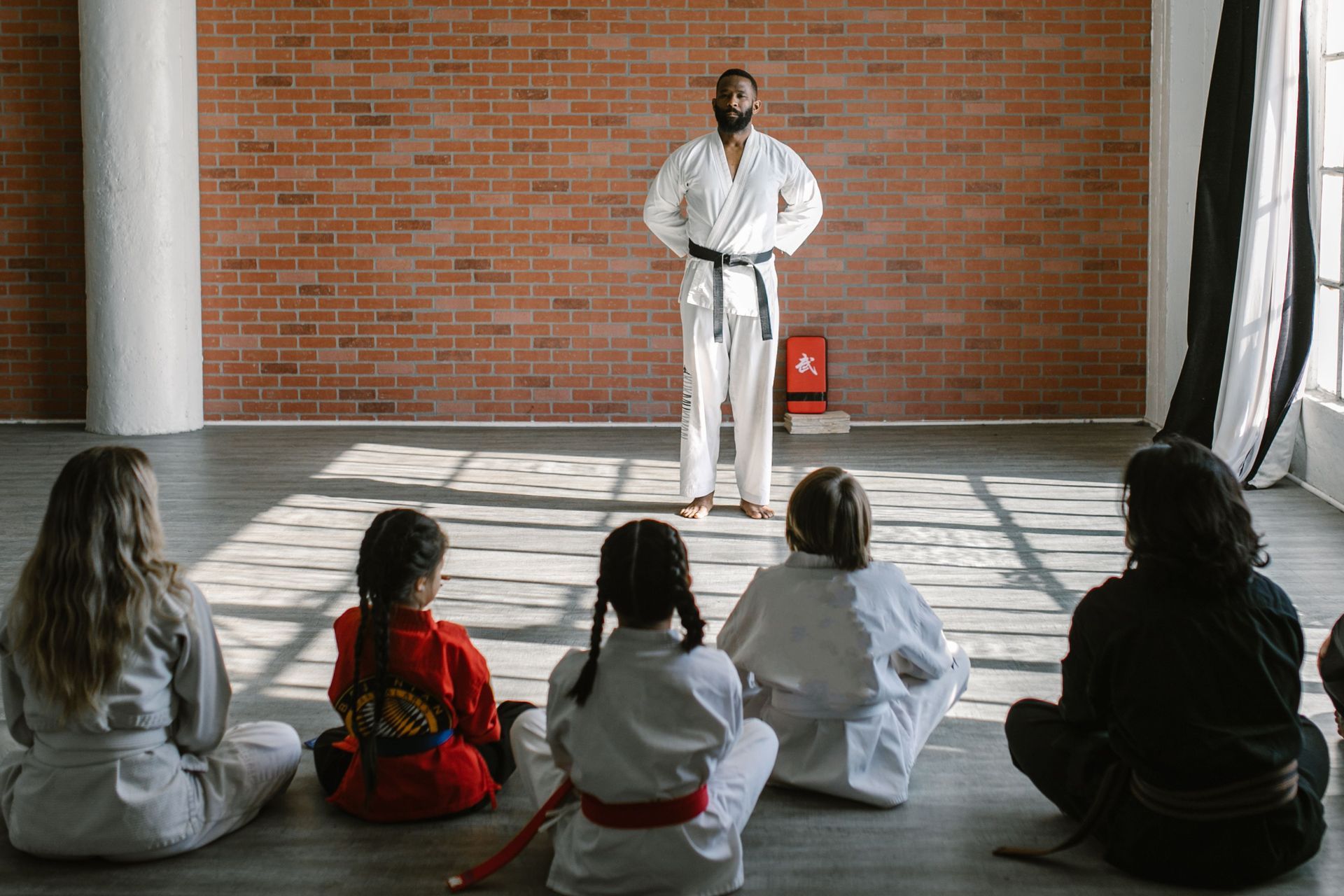
You may notice students bowing, standing in an organised line, or responding to instructions in a particular way.
These traditions might seem unusual initially, but they serve a purpose.
Why do karate students bow?
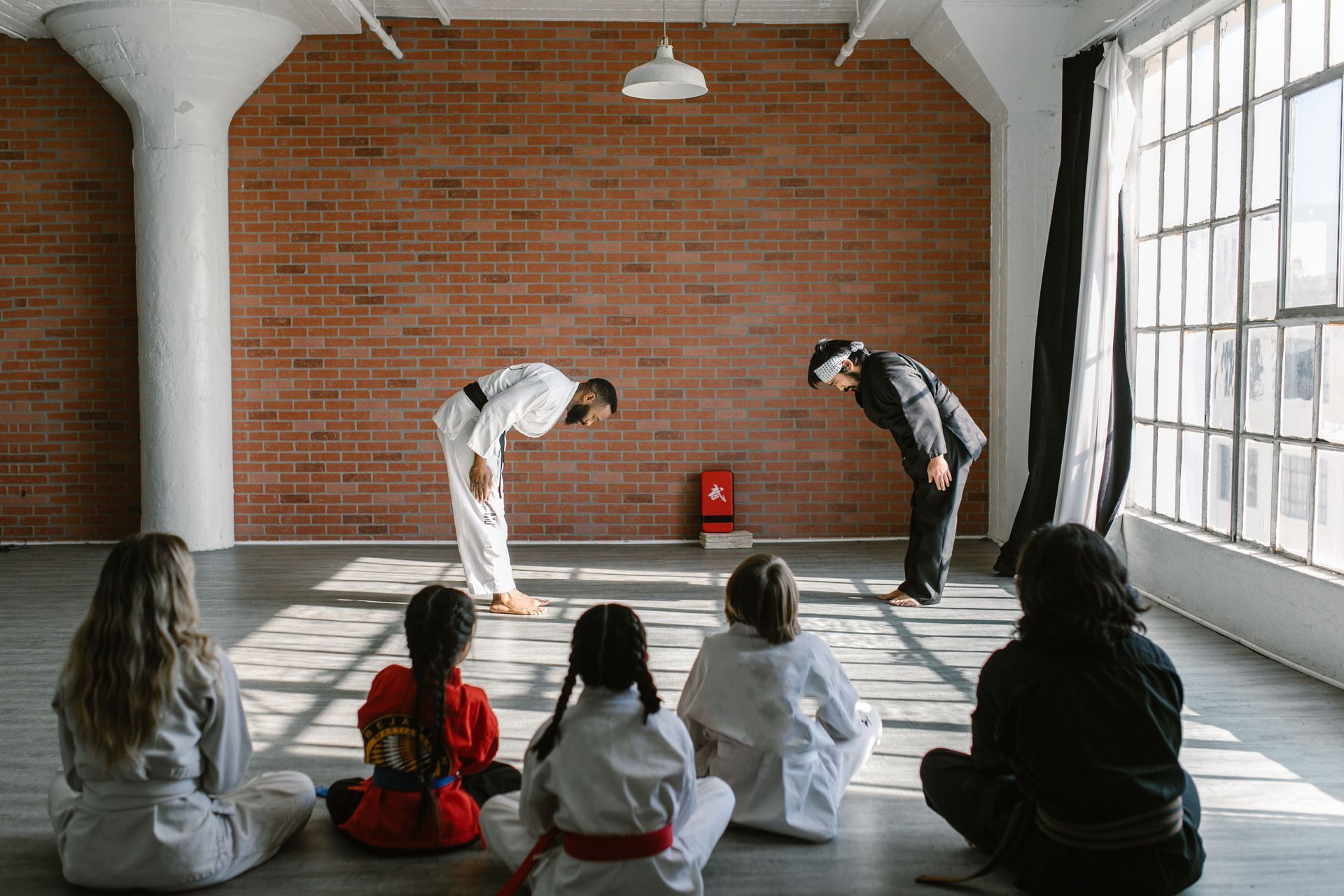
Bowing is a traditional way of showing respect.
Students may bow when entering or leaving the training area, greeting an instructor, or beginning and ending certain activities.
It's not about being afraid of someone or treating one person as more important than another.
It's a reminder to approach training with respect, attention, and a willingness to learn.
Other basic dojo manners
During your first few lessons, you'll gradually become familiar with expectations such as:
- Listening when the instructor speaks
- Following safety instructions
- Treating training partners respectfully
- Avoiding unnecessary talking during demonstrations
- Practising techniques with control
- Being patient with yourself and others
Don't stress about remembering every rule immediately.
Your instructor can explain the appropriate etiquette as you learn.
For children, these habits can reinforce positive behaviour beyond the dojo, including listening, patience, responsibility, and respect for others.
5. What Should You Wear to Your First Karate Class?
Wondering whether you need to purchase an expensive karate uniform before attending?
Fortunately, getting started at Martial House is straightforward.
The academy currently advertises an introductory program of four classes, a free karate uniform, and a conference for $39.95.
This provides an opportunity to experience karate without immediately purchasing a separate uniform.
What is a karate uniform called?
The traditional karate uniform is commonly known as a karategi, often shortened to gi.
It generally consists of a jacket, trousers, and a belt.
The uniform is designed to allow comfortable movement while maintaining the traditional appearance of karate training.
Beginners typically start their karate journey wearing a white belt, representing the beginning of their learning experience.
What should you bring?
Before your first visit, it's sensible to prepare a few essentials:
- Comfortable exercise clothing if advised for your initial session
- A water bottle
- A small towel
- Any necessary personal medication
- A positive attitude and willingness to learn
Keep jewellery and unnecessary accessories to a minimum, and check with the academy about footwear and uniform requirements.
If you're unsure when you'll receive your uniform, simply ask when booking your introductory program.
The important thing is to arrive ready to participate comfortably and safely.
6. Meet the Instructors: Guidance Makes All the Difference
A good instructor can make your first karate experience far more enjoyable.
At Martial House WGKA, the teaching approach is built around traditional Goju Ryu Karate, structured learning, and personal development.
The academy is led by Joseph Ielasi and his team of professional instructors, who focus on helping students develop martial arts skills alongside confidence, discipline, and concentration.
For beginners, this means there's a clear pathway to follow rather than being expected to learn everything at once.
What does an instructor do during your first lesson?
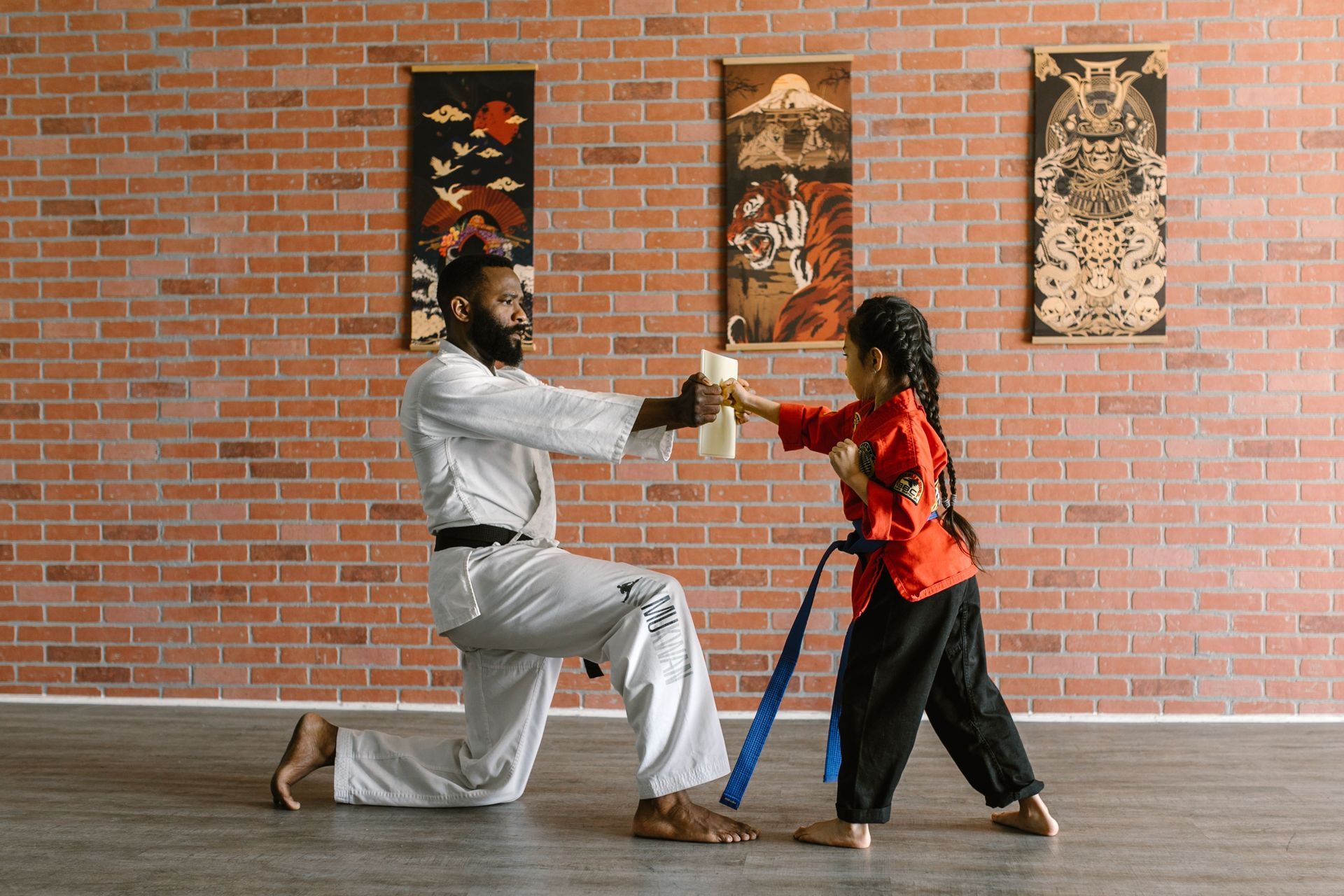
Your instructor introduces you to the training environment, demonstrates movements, explains the purpose of exercises, and helps you understand how to practise safely.
You may receive corrections to your stance, posture, or technique.
Don't interpret these corrections as criticism.
They're a normal and valuable part of learning karate.
Even experienced martial artists continue refining their movements.
At Martial House, adults and children are placed in their respective age groups during the introductory program, helping ensure training is appropriate for different stages of development.
You can learn more about the academy's teaching philosophy on the Martial House instructors page.
7. Karate Classes for Children, Teenagers, and Adults
A common misconception about karate is that it's only suitable for children or people who are already physically active.
In reality, karate can be practised at many different ages.
Martial House offers structured programs for different age groups and experience levels.
Young children
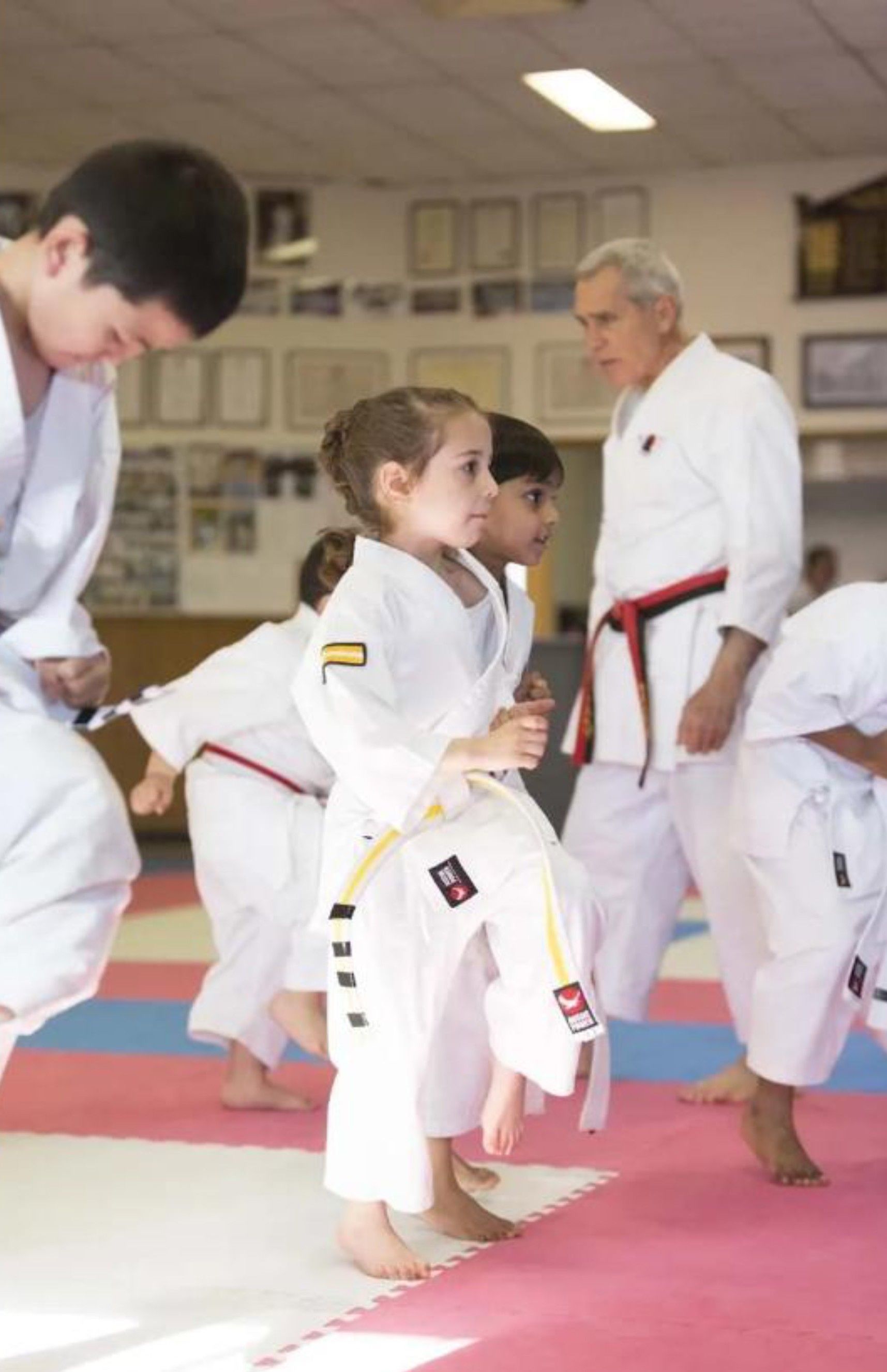
The Mighty Mites program introduces younger students to karate through age-appropriate instruction.
At this stage, learning to listen, follow directions, improve coordination, and participate confidently can be just as important as learning physical techniques.
School-aged children
The Pee Wees program provides opportunities for children to build on their coordination, concentration, and understanding of karate.
Students gradually become familiar with more structured movements and training expectations.
Teenagers
Junior classes offer a pathway for teenagers to develop technique, physical fitness, discipline, and personal responsibility.
Karate can also provide a constructive challenge outside school.
Adults
Senior classes welcome adults who want to learn traditional martial arts, improve fitness, develop self-defence knowledge, or take on a new personal challenge.
Whether you're starting in your twenties, forties, or later, previous karate experience isn't a requirement for beginning.
For families comparing karate classes in Lalor, having different programs for different ages makes it easier to find an appropriate starting point.
8. The Martial House Introductory Program: Four Classes to Get Started
One of the biggest questions beginners have is whether they'll enjoy karate enough to continue.
That's exactly why an introductory program can be helpful.
Rather than committing immediately to a long-term training arrangement, you can experience the dojo, meet the instructors, and discover what karate involves.
Martial House currently offers an introductory package that includes:
Four introductory karate classes, a free uniform, and a conference for $39.95.
During the program, you'll be introduced to warm-up and stretching exercises and gain a clearer understanding of the training environment.
Across your introductory experience, you'll have the opportunity to become more familiar with karate's basic movements, class structure, and expectations.
You may also begin noticing small improvements in your confidence and coordination as unfamiliar movements start to make more sense.
What happens after the introductory classes?
Martial House explains that students have a conference with Joseph Ielasi to discuss their martial arts goals and select a suitable training program.
This is an opportunity to talk about what you hope to achieve.
Perhaps your goal is better fitness, greater confidence, self-defence knowledge, or eventually progressing through the karate belt system.
There's no need to decide everything before your first lesson.
Your introductory experience can help you understand whether karate is the right fit.
Introductory pricing and inclusions should be confirmed with Martial House when booking.
9. Will You Have to Spar During Your First Karate Class?
For many beginners, this is the question they're almost afraid to ask.
Will someone expect you to fight?
Will you have to compete against an experienced student?
Will you be hit?
It's understandable to feel uncertain, especially if your only experience of martial arts comes from action movies or competitive fighting videos.
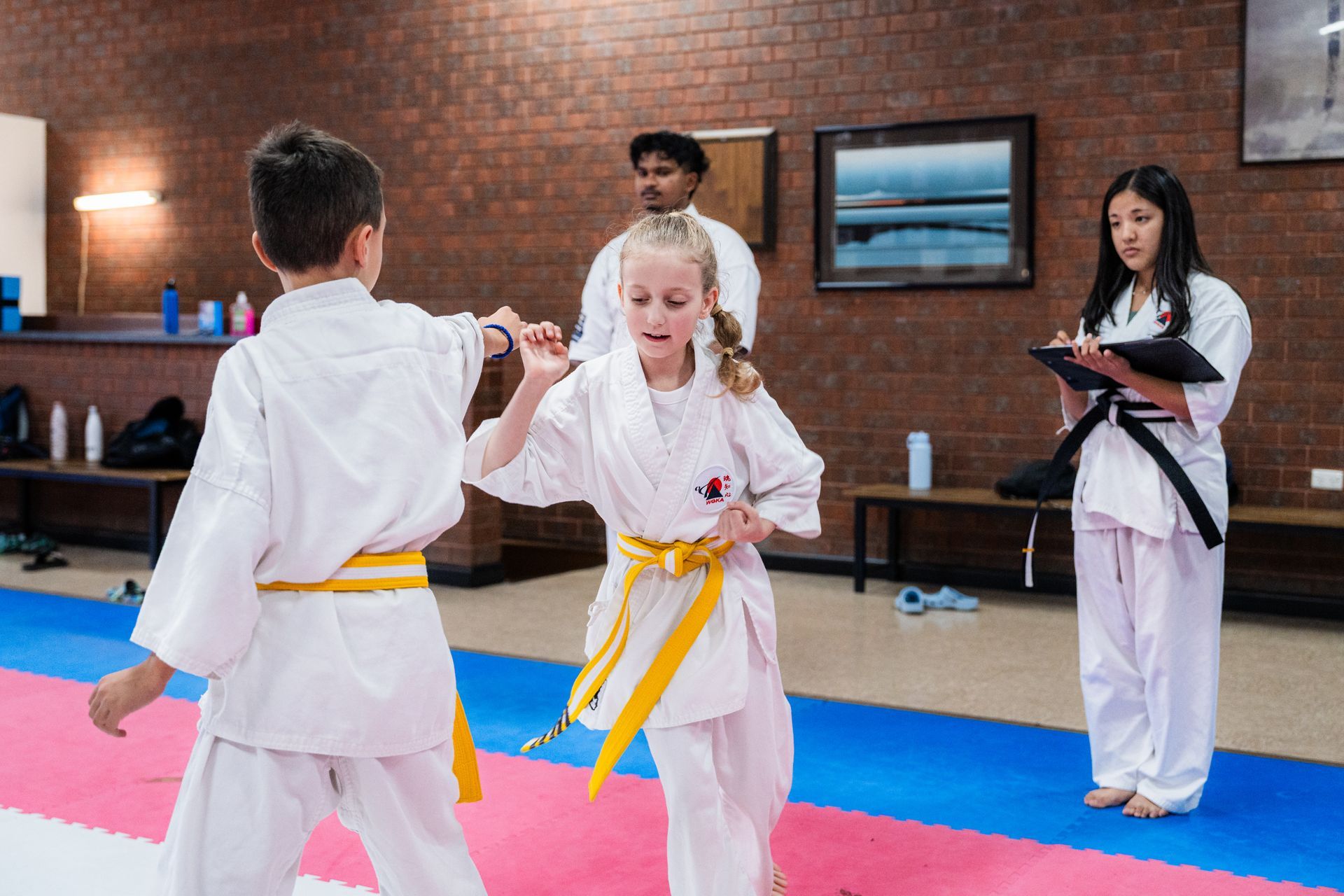
But learning traditional karate involves much more than sparring.
Students first need to develop an understanding of posture, movement, control, distance, and safe technique.
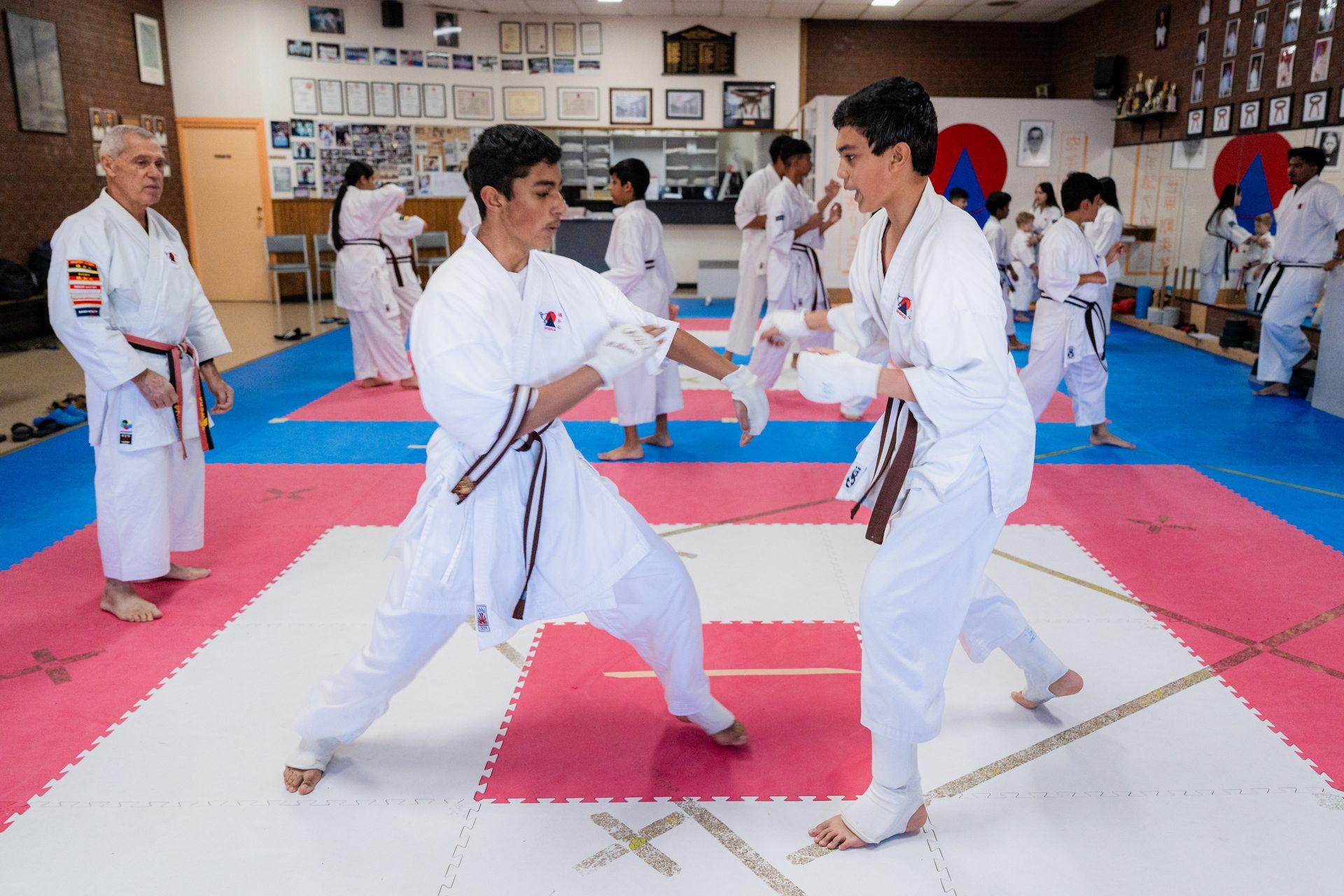
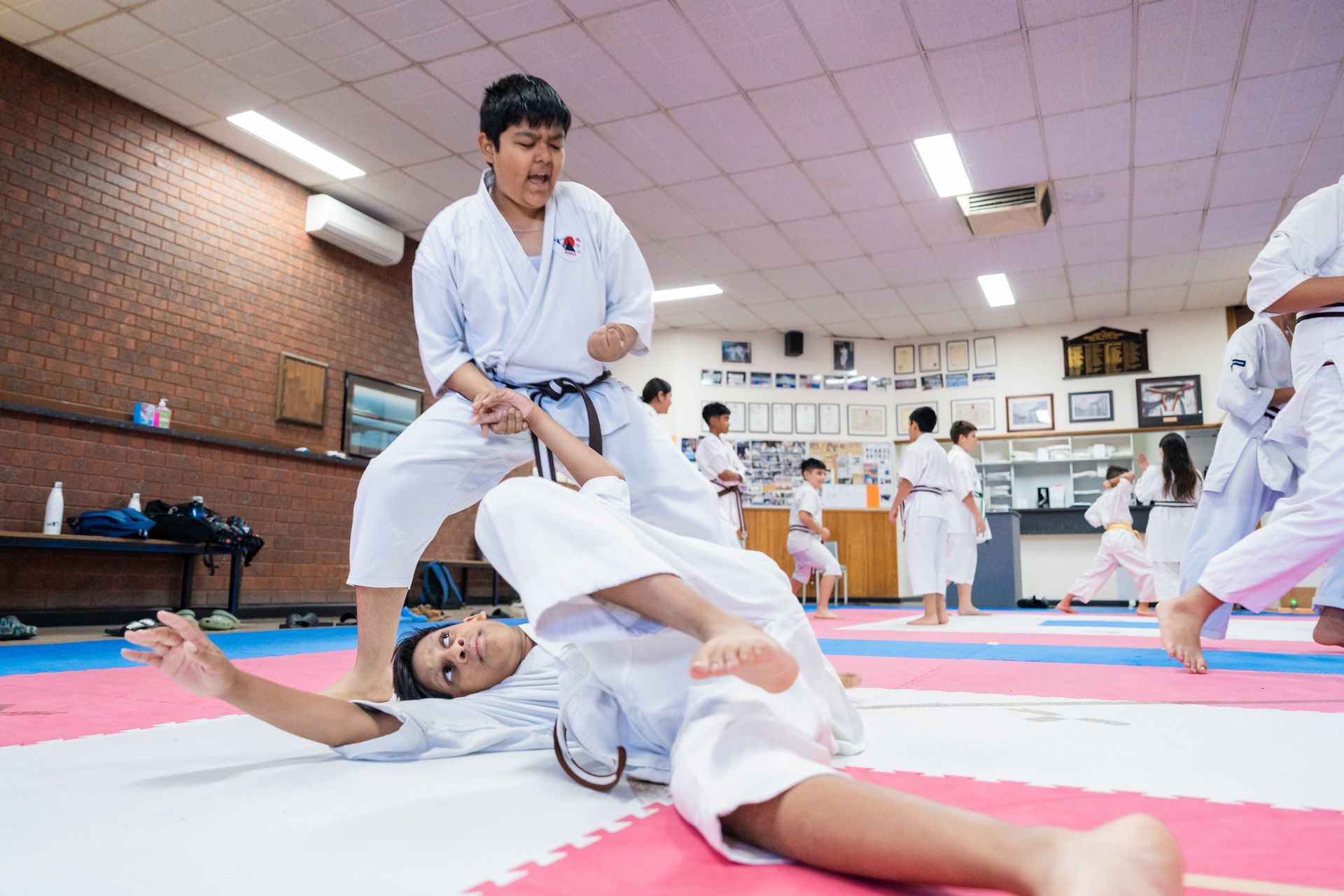
Goju Ryu Karate includes practical applications and partner-based training as students develop, but beginners shouldn't assume they'll be expected to participate in full-contact sparring during their first lesson.
If you're concerned about physical contact, injuries, or a particular activity, speak with the instructor beforehand.
Understanding what is planned for your session will help you participate with greater confidence.
10. What Can You Gain From Learning Karate?
Your first karate class is only the beginning.
With regular practice, karate can offer benefits that extend well beyond learning punches and kicks.
Better coordination and flexibility
Karate involves different movement patterns that challenge balance, posture, coordination, and mobility.
Improved fitness
Regular training can contribute to physical activity, strength, stamina, and general wellbeing.
Greater confidence
Learning unfamiliar skills and gradually improving them can help students develop confidence in their abilities.
Focus and discipline
Following instructions, remembering movement sequences, and practising consistently require concentration.
Practical self-defence knowledge
Karate training introduces defensive principles while emphasising awareness, responsibility, and self-control.
A sense of achievement
Progressing from struggling with a basic stance to performing it confidently can be genuinely rewarding.
These benefits develop over time, and every student's experience is different.
You don't have to become a black belt to appreciate the value of learning something new.
11. How to Make the Most of Your First Karate Lesson
Before heading to Martial House, remember one simple thing: you are there to learn.
Nobody expects perfection.
Try not to compare yourself with students who've been training for months or years.
Instead, focus on listening carefully, asking questions when necessary, and giving each exercise your best effort.
If you make a mistake, that's completely normal.
If you forget a movement, ask your instructor to demonstrate it again.
And if something feels physically uncomfortable, communicate that rather than pushing through pain.
For parents, it's worth reminding children that their first class isn't a test they need to pass.
Encourage them to enjoy the experience, meet new people, and feel proud of trying something unfamiliar.
Often, the biggest achievement of the first lesson is simply having the courage to begin.
Frequently Asked Questions About Beginner Karate Classes in Lalor
Do I need to be fit before starting karate?
No. Beginners can start at different fitness levels. Karate training can help you gradually improve your strength, flexibility, and coordination. Discuss any physical limitations with your instructor before participating.
Is karate suitable for shy children?
Karate can provide a structured environment where children practise listening, interacting with others, and learning new skills. Confidence develops differently for every child, so progress should be encouraged without pressure.
Do I need a karate uniform for my first lesson?
Martial House's introductory package includes a free uniform. Contact the academy to confirm what to wear to your first session and when your uniform will be provided.
How much does the introductory program cost?
Martial House currently advertises four introductory classes, a free uniform, and a conference for $39.95. Confirm the current offer when booking.
Can adults join without previous martial arts experience?
Absolutely. Martial House provides training pathways for adults, including complete beginners. You don't need previous karate experience to enquire about starting.
Where is Martial House located?
Martial House WGKA is located at 12B May Road, Lalor VIC 3075, serving students from Lalor, Epping, Thomastown, and surrounding suburbs.
Ready to Try Your First Karate Class at Martial House?
Starting karate doesn't require extraordinary strength, perfect flexibility, or years of experience.
It begins with curiosity, a willingness to learn, and the decision to give something new a try.
At Martial House WGKA, beginners can explore traditional Goju Ryu Karate through structured instruction, age-appropriate programs, and an introductory offer designed to make getting started easier.
Whether you're looking for a positive activity for your child, a new fitness challenge, or an opportunity to learn self-defence, your first class could be the beginning of a rewarding journey.
Searching for beginner karate classes in Lalor? Come and discover what Martial House has to offer.
Martial House WGKA Goju Karate
Address: 12B May Road, Lalor VIC 3075
Phone: (03) 9464 6202
Website: https://www.martialhouse.com.au/
Introductory Offer: Four classes, free uniform, and conference for $39.95.
Book Your First Karate Class at Martial House
Your first step doesn't have to be perfect. You just have to take it.