


How Martial Arts Can Help Prevent Bullying at School
How Martial Arts Can Help Prevent Bullying at School
To View our YouTube Channel Click here
To View our Facebook Page Click here
Every parent wants their child to feel happy, confident and safe at school. Unfortunately, bullying can make even the most outgoing child dread walking through the school gates.
Whether it's hurtful comments, being deliberately excluded, online harassment or physical intimidation, bullying can have a lasting impact on a child's confidence and wellbeing.
As a parent, it's difficult knowing your child might be struggling, especially when you're not there to help.
So, what can you do to prepare them for these situations?
One option worth considering is martial arts.
While many people associate karate with punches, kicks and fighting, good martial arts training is about something much more valuable. It teaches children how to stay calm, recognise trouble, stand up for themselves and make sensible decisions when things become uncomfortable.
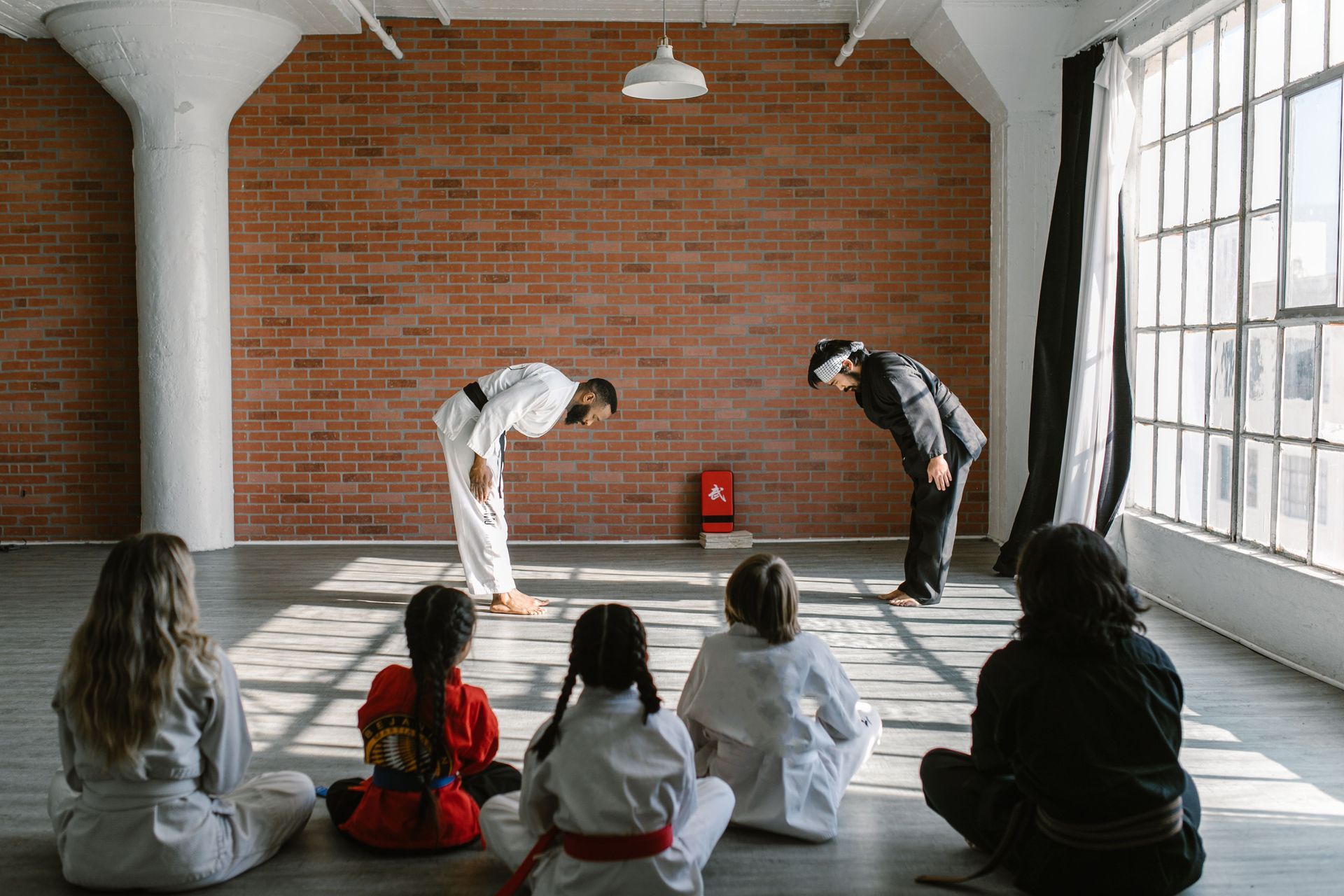
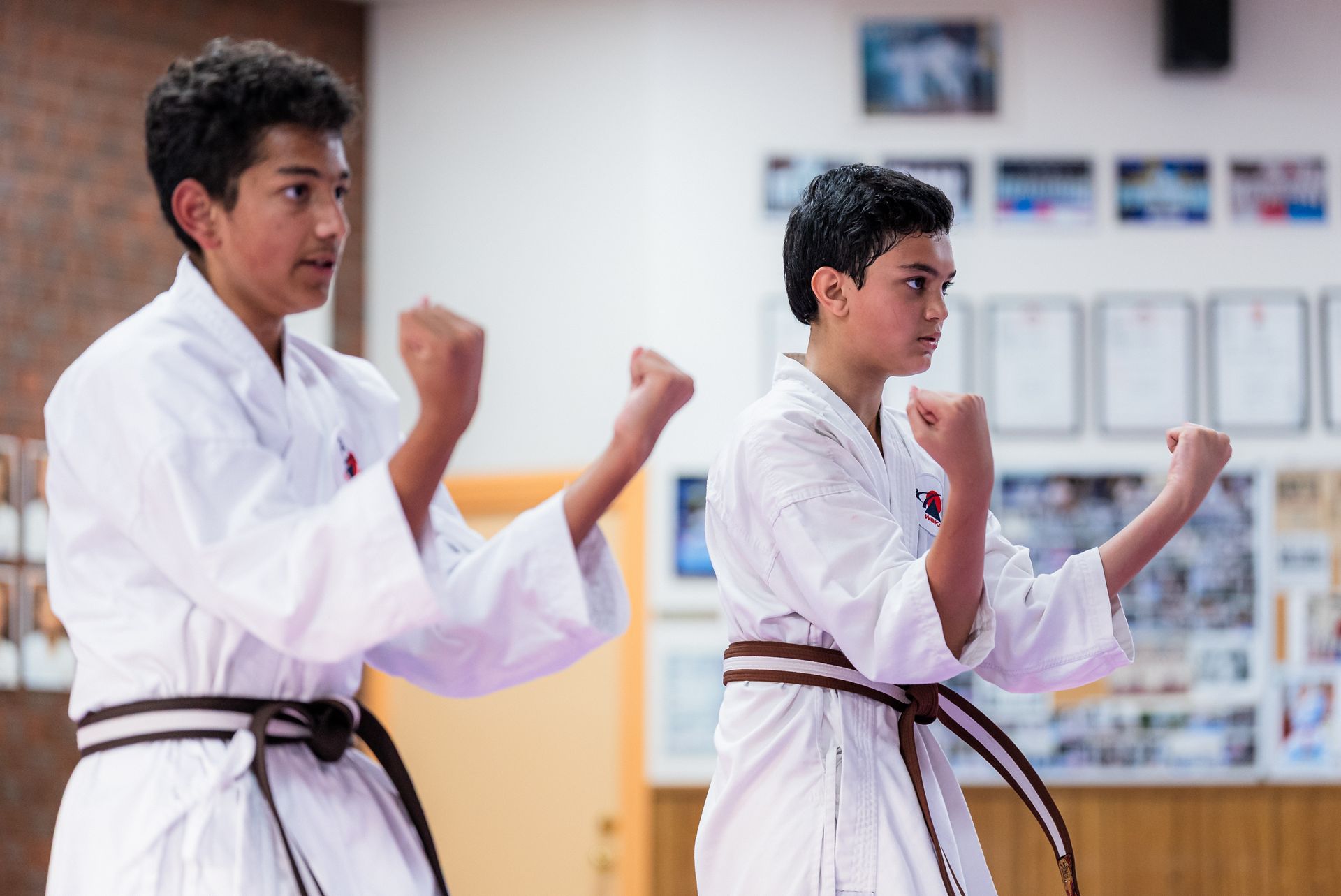
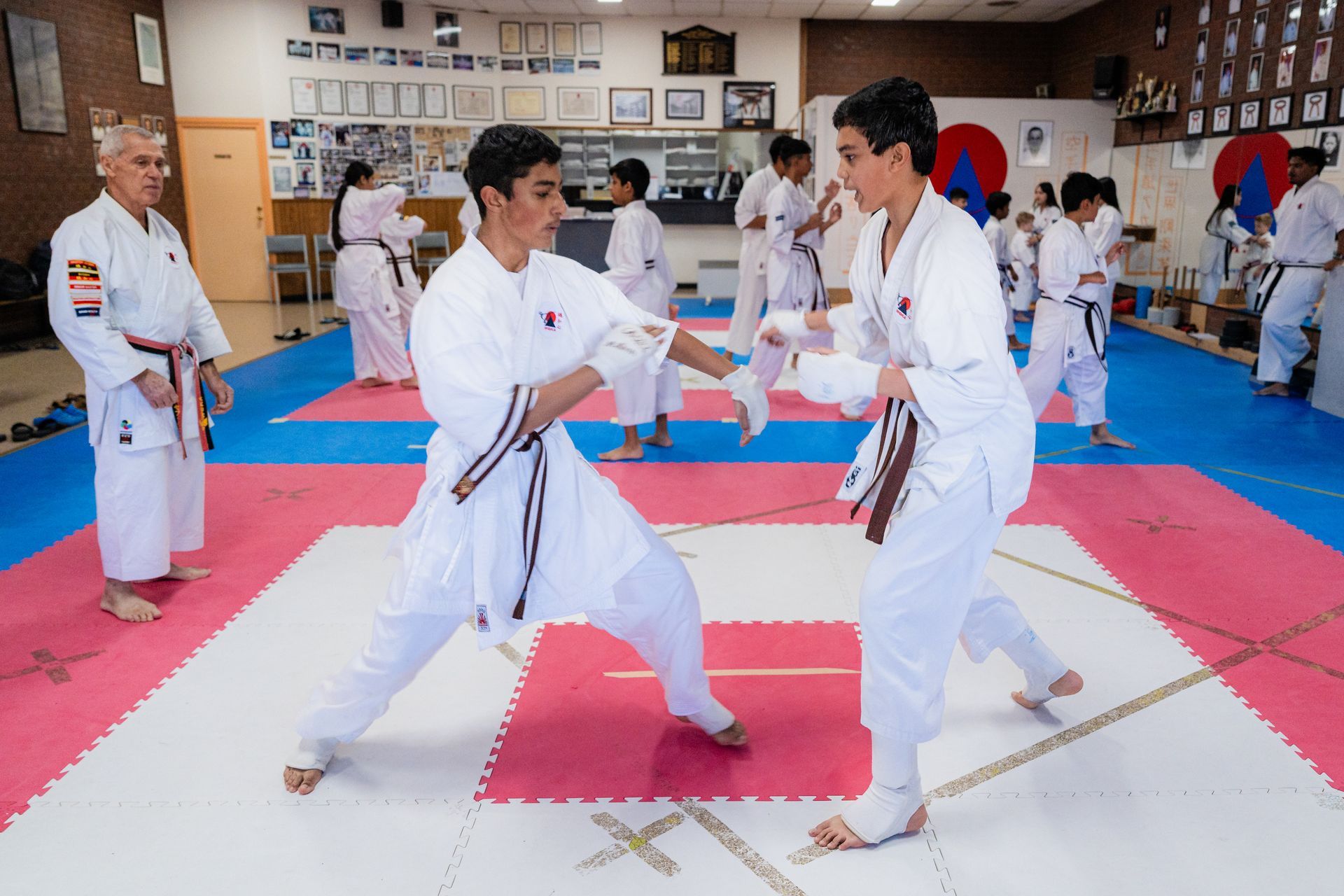
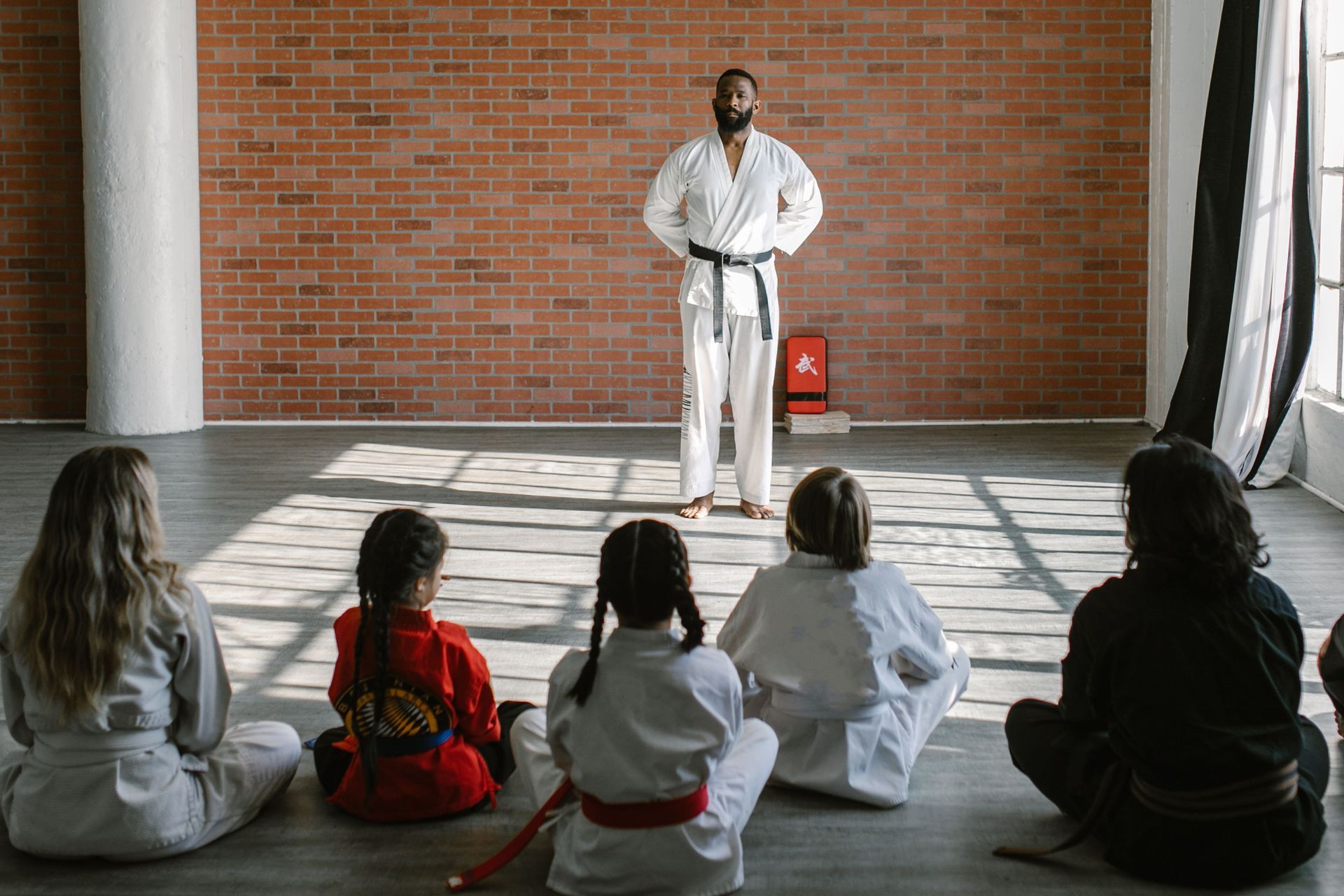
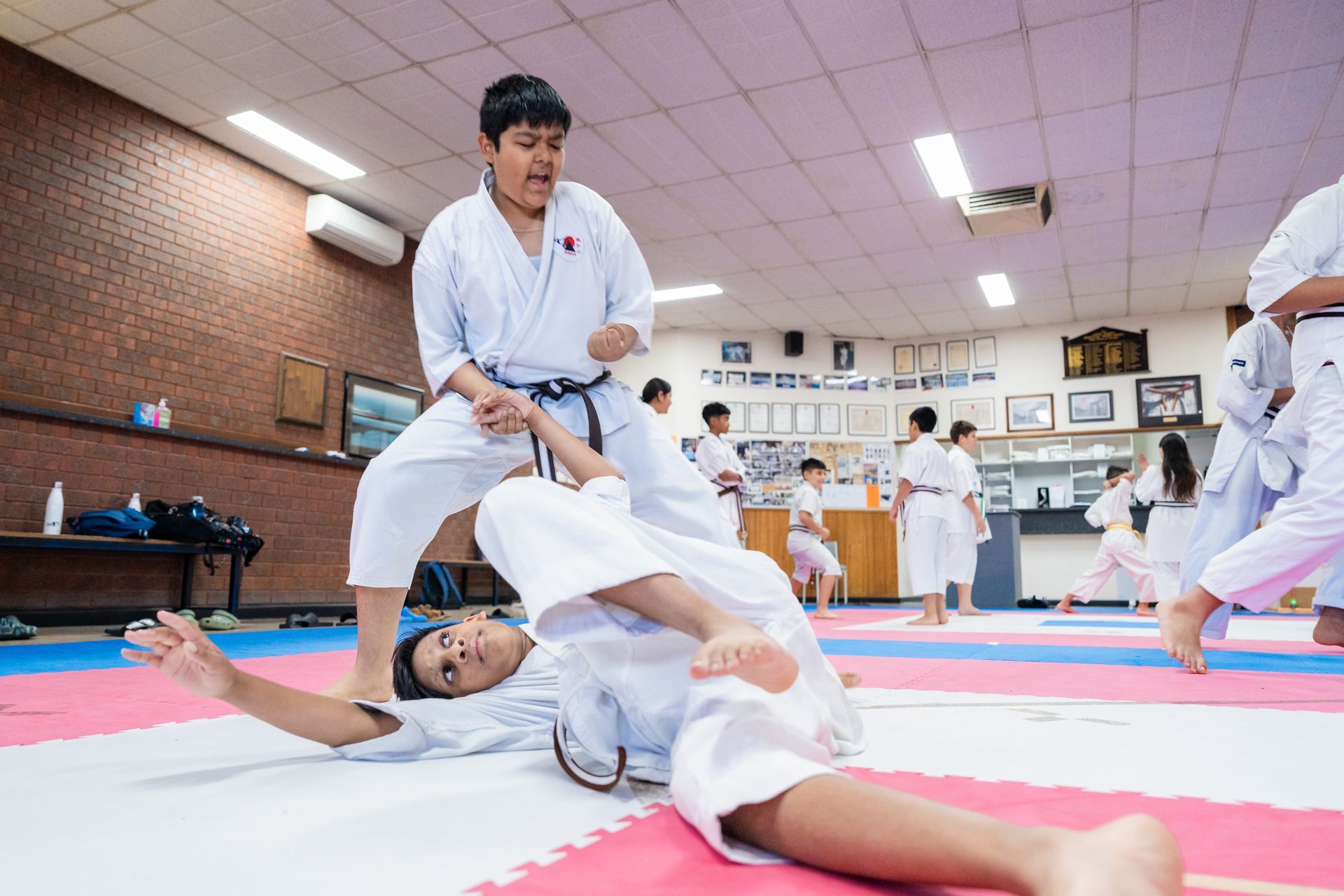
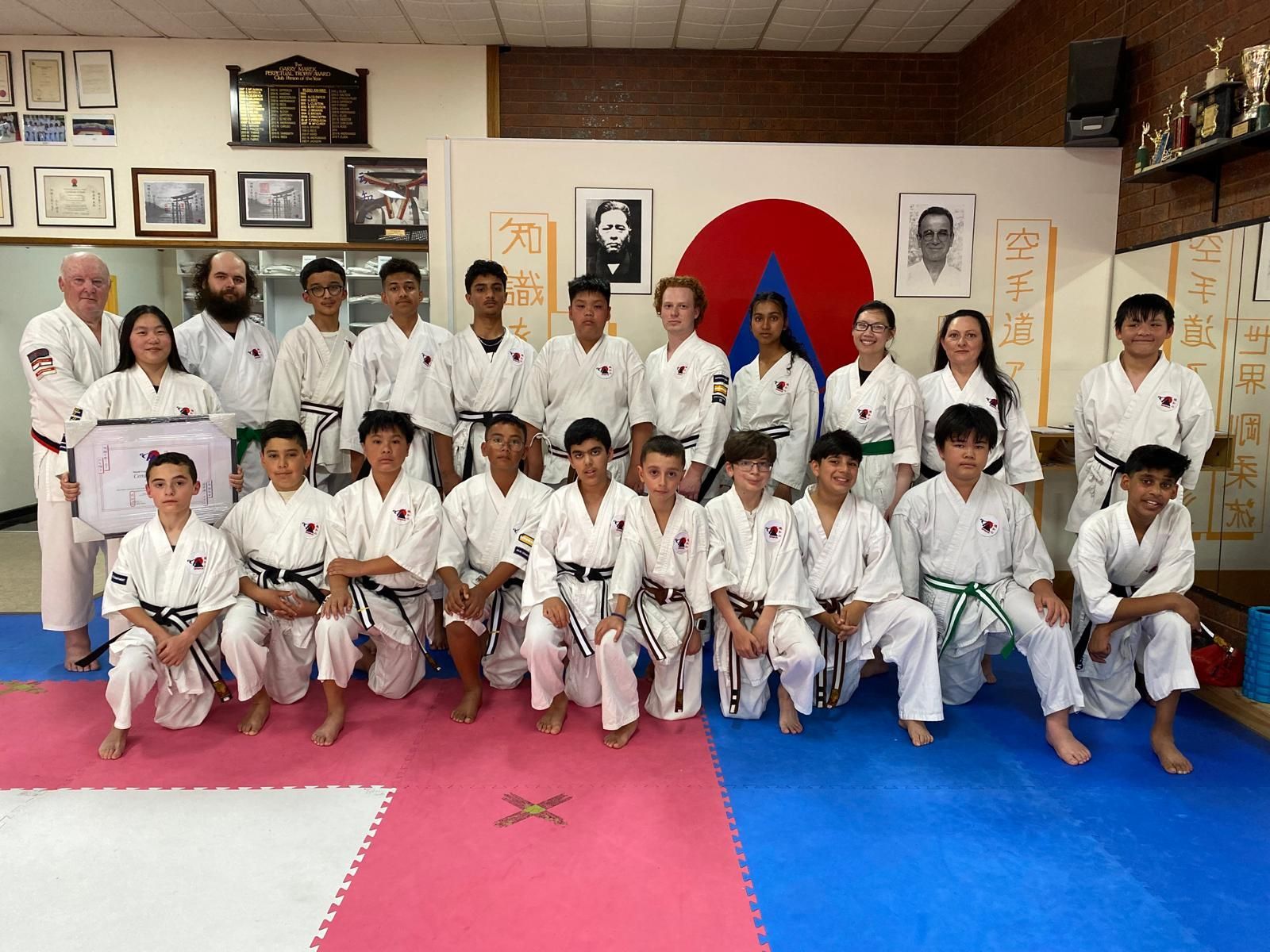
At Martial House WGKA in Lalor, we believe children benefit from learning skills that go well beyond the dojo. Our Goju Ryu Karate training focuses on confidence, discipline, respect and practical self-defence.
Let's explore how self-defence classes for kids can support bullying prevention and help children feel more confident in everyday life.
1. Building Confidence That Makes a Real Difference
Think about how a child feels when they've learned something they previously thought was impossible.
Maybe they've finally mastered a difficult karate movement, remembered a sequence or earned their next belt.
That sense of achievement matters.
Confidence isn't something children automatically develop as they get older. It grows through experience, encouragement and learning to overcome challenges.
Martial arts gives children regular opportunities to experience those small victories.
During training, students gradually learn to:
- Try unfamiliar activities without being afraid of making mistakes.
- Speak and participate confidently in front of others.
- Keep going when something feels difficult.
- Recognise their own strengths and progress.
- Feel proud of what they've achieved through practice.
Over time, these experiences can help children become more comfortable standing up for themselves.
For example, a child who once struggled to speak up might find it easier to tell another student, "Please stop. I don't like that."
Of course, confidence alone doesn't stop bullying. Bullying is never the victim's fault, regardless of how they behave or carry themselves.
However, developing confidence can give children the courage to communicate their boundaries, seek support and recognise that they deserve to be treated with respect.
And those are valuable skills both inside and outside the classroom.
2. Teaching Children to Recognise Trouble Early
One of the most useful lessons children can learn through martial arts is that the best confrontation is often the one you avoid.
Self-defence isn't just about knowing what to do when someone becomes physical.
It's also about noticing warning signs and making smart choices before a situation gets worse.
Imagine a child walking across the playground and noticing a group of students deliberately blocking another child's path.
Rather than walking directly into the situation or responding to provocative comments, they might recognise what's happening and choose to move towards a teacher or another safe area.
That's situational awareness.
Through age-appropriate self-defence education, children can develop a better understanding of:
- Recognising threatening or intimidating behaviour.
- Respecting personal space and boundaries.
- Identifying safe places and trusted adults.
- Staying aware of what's happening around them.
- Knowing when to walk away or ask for assistance.
These lessons are particularly important because bullying doesn't always involve physical aggression.
Sometimes it's repeated teasing, threatening gestures, exclusion or someone deliberately trying to provoke a reaction.
Children who understand these behaviours may be better prepared to recognise when something isn't right.
The aim isn't to make children fearful or suspicious of everyone around them.
It's to help them feel aware, prepared and comfortable asking for help.
3. Learning to Handle Bullying Without Fighting
Here's something that surprises many parents.
Responsible martial arts training doesn't teach children to solve every disagreement with their fists.
Quite the opposite.
An important part of learning self-defence is understanding when not to use physical techniques.
At Martial House, Goju Ryu Karate places strong emphasis on self-control, respect and avoiding unnecessary confrontation.
This approach is particularly valuable when dealing with bullying at school.
Consider a situation where another student starts making insulting comments.
A child who immediately reacts with anger may unintentionally escalate the situation. But a child who has practised remaining calm may be better equipped to respond assertively, leave safely and report what happened.
This is where verbal de-escalation becomes useful.
Simple Verbal Skills Children Can Practise
Children can learn to use short, clear statements such as:
"Stop. I don't like that."
"Leave me alone, please."
"I'm not going to argue with you."
"I'm going to speak to a teacher."
These responses are not guaranteed to stop bullying, particularly when someone is determined to intimidate another person.
However, they give children practical ways to communicate boundaries without resorting to insults, threats or physical aggression.
Just as importantly, children should understand that walking away isn't a sign of weakness.
Sometimes, leaving a difficult situation and getting adult support is the strongest and safest decision they can make.
4. Developing Emotional Control Under Pressure
Bullying can bring out some powerful emotions.
A child might feel frightened, embarrassed, angry or completely overwhelmed.
And when emotions take over, making sensible decisions becomes much harder.
Martial arts offers children opportunities to practise managing frustration and pressure in a supervised environment.
During karate training, students must concentrate, follow instructions, control their movements and respond appropriately to different challenges.
They also learn that progress takes patience.
A technique might not work the first time. A grading might feel intimidating. A new movement might take several lessons to master.
These experiences encourage children to practise staying focused rather than giving up or reacting impulsively.
Over time, this can help them develop:
- Greater patience when dealing with frustration.
- Better concentration during challenging activities.
- Awareness of their emotional reactions.
- The ability to pause before responding.
- Resilience when things don't go according to plan.
Imagine a student being teased about making a mistake in class.
Instead of immediately shouting back, they may be able to pause, recognise their feelings and decide how best to respond.
That doesn't mean children should be expected to tolerate bullying silently.
It means giving them tools to manage their emotions while taking appropriate action to protect themselves.
5. Understanding Responsible Self-Defence
For many parents, the biggest question is simple:
"Will learning martial arts make my child more likely to fight?"
It's an understandable concern.
But responsible karate instruction is built around discipline, respect and understanding the consequences of physical actions.
Learning a defensive technique doesn't mean children should use it whenever someone annoys them.
In fact, one of the most important lessons is knowing the difference between an uncomfortable interaction and a genuine threat to personal safety.
Children should be encouraged to follow a clear safety-first approach.
First, avoid confrontation whenever possible. If a situation feels unsafe, create distance and move towards a supervised area.
Second, communicate boundaries when it's safe to do so. Use a calm, firm voice without threatening or provoking anyone.
Third, seek help from a trusted adult. Teachers, school staff and parents should be involved when bullying occurs.
Finally, understand that physical self-defence is a last resort. If a child faces an immediate physical threat and cannot safely escape, any defensive response should be necessary and proportionate, focused on creating an opportunity to get away and seek help.
This distinction matters.
The purpose of self-defence classes for kids is not to teach children how to win playground fights.
It's to help them understand personal safety, make responsible choices and avoid unnecessary harm.
No martial arts program can guarantee that a child will never experience bullying or physical aggression. But appropriate training can provide useful skills that support safer decision-making.
6. Teaching Respect, Empathy and Responsibility
Preventing bullying isn't only about helping children respond when they're targeted.
It's also about teaching young people how to treat others.
Respect is a central part of traditional karate.
Students learn to listen to their instructors, cooperate with training partners, follow rules and recognise that everyone develops at a different pace.
Some children learn movements quickly. Others need more time and encouragement.
In a supportive training environment, students can discover that being more experienced or physically stronger doesn't make someone more important.
Instead, they learn that strength comes with responsibility.
These lessons can encourage children to:
- Treat classmates with kindness and consideration.
- Respect differences in ability and experience.
- Avoid using physical strength to intimidate others.
- Encourage peers who are struggling.
- Take responsibility for their own behaviour.
This can also help children understand the importance of being a supportive bystander.
If they witness bullying, they can learn to avoid joining in, offer support to the student being targeted and report the incident to a responsible adult.
A school culture where children look out for one another is an important part of preventing bullying.
7. Helping Children Build Friendships and Feel They Belong
For children who have experienced bullying, feeling accepted can make an enormous difference.
Some may become reluctant to join activities or meet new people because they're worried about being judged.
Martial arts can offer a positive social environment outside school.
At a karate class, children meet others who share an interest in learning something new.
They practise together, encourage one another and work towards individual goals.
Unlike activities where winning a match is the main objective, traditional martial arts also place considerable value on personal progress.
A child doesn't have to be the fastest, strongest or most athletic person in the room to feel successful.
They simply need to keep learning.
For some children, this creates an important opportunity to rebuild confidence and develop friendships beyond their usual school environment.
Having supportive relationships outside school can be especially meaningful when social situations in the classroom are difficult.
8. Why Consistency Matters More Than Quick Results
Parents sometimes wonder how quickly martial arts can improve a child's confidence.
The answer is different for every child.
Some children become more comfortable participating after a few lessons. Others need longer to settle in, build trust and develop their skills.
That's completely normal.
Martial arts isn't an overnight solution to bullying.
Its value comes from consistent practice and gradual personal development.
As children attend classes, they have repeated opportunities to listen, concentrate, practise self-control and work through challenges.
These experiences can become habits that carry into school, home and social situations.
The important thing is finding a supportive training environment where children feel comfortable learning at their own pace.
9. How Parents and Schools Can Support Bullying Prevention
Although martial arts can play a valuable supporting role, children should never be expected to manage bullying on their own.
Parents, teachers and schools all have important responsibilities.
If your child tells you they're being bullied, take their concerns seriously.
Listen without judgement, reassure them that they deserve to feel safe and work with the school to address the behaviour.
It can also help to practise simple responses together at home.
For example, you might role-play what your child could say if someone repeatedly teased them, invaded their personal space or tried to pressure them into an argument.
Keep these conversations calm and age-appropriate.
For ongoing bullying, maintain a record of incidents and communicate with relevant school staff. Where necessary, ask the school about its bullying prevention policies and follow-up procedures.
And remember, the responsibility for stopping bullying belongs to the people engaging in the behaviour and the adults responsible for children's safety, not the child being targeted.
Martial arts training works best as an additional source of confidence, awareness and personal development alongside effective adult support.
10. Discover Self-Defence Classes for Kids at Martial House
If you're looking for a positive activity that helps your child develop confidence, discipline and practical life skills, karate could be a great place to start.
At Martial House WGKA, we teach traditional Goju Ryu Karate in a structured, supportive environment.
Located in Lalor, we welcome families from surrounding Melbourne suburbs, including Epping and Thomastown.
Our children's training programs are designed around different ages and stages of development:
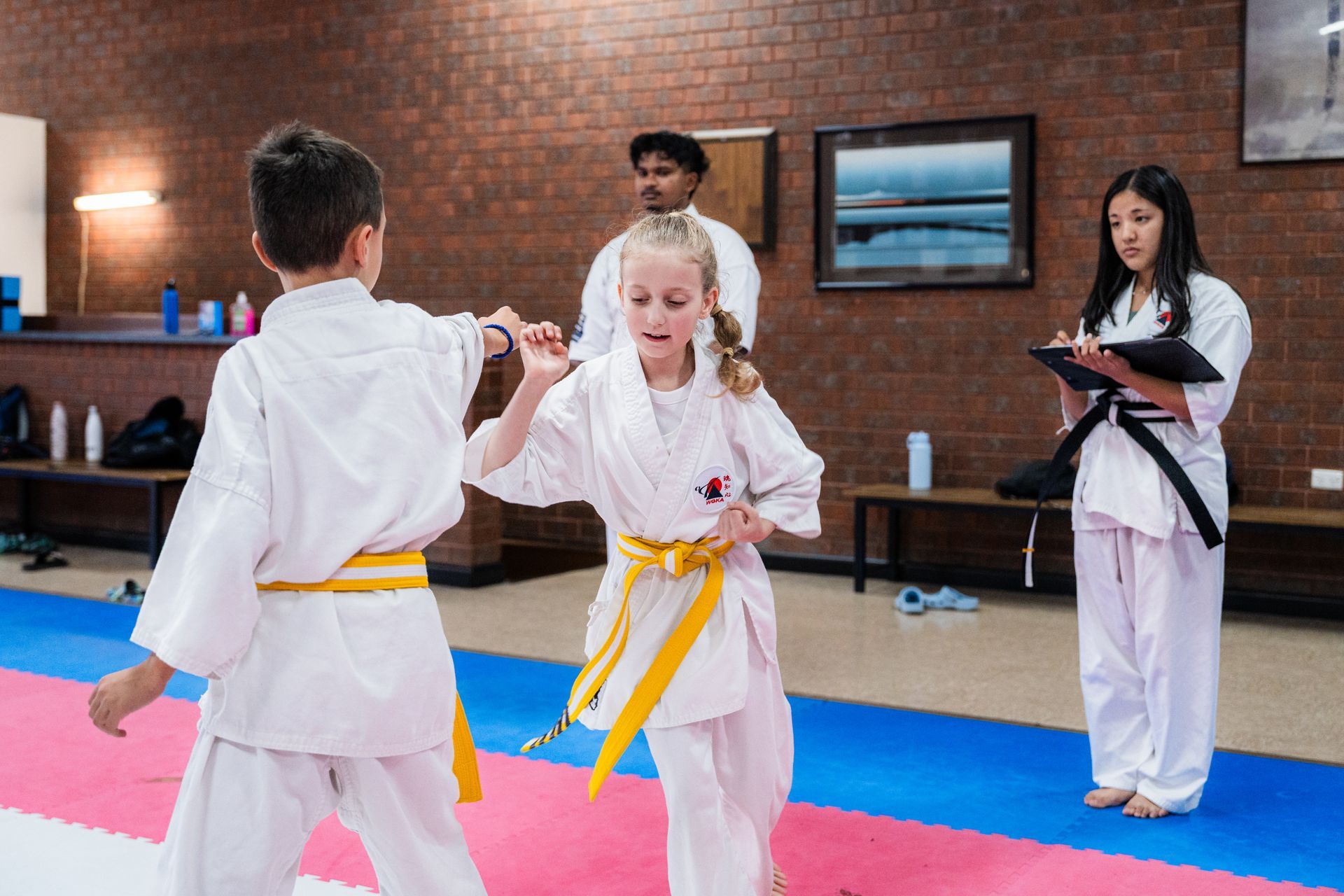
- Mighty Mites (3–6 years): Introducing young children to movement, listening, coordination and basic karate principles.
- Pee Wees (7–11 years): Helping primary-school-aged children develop concentration, confidence, discipline and foundational karate skills.
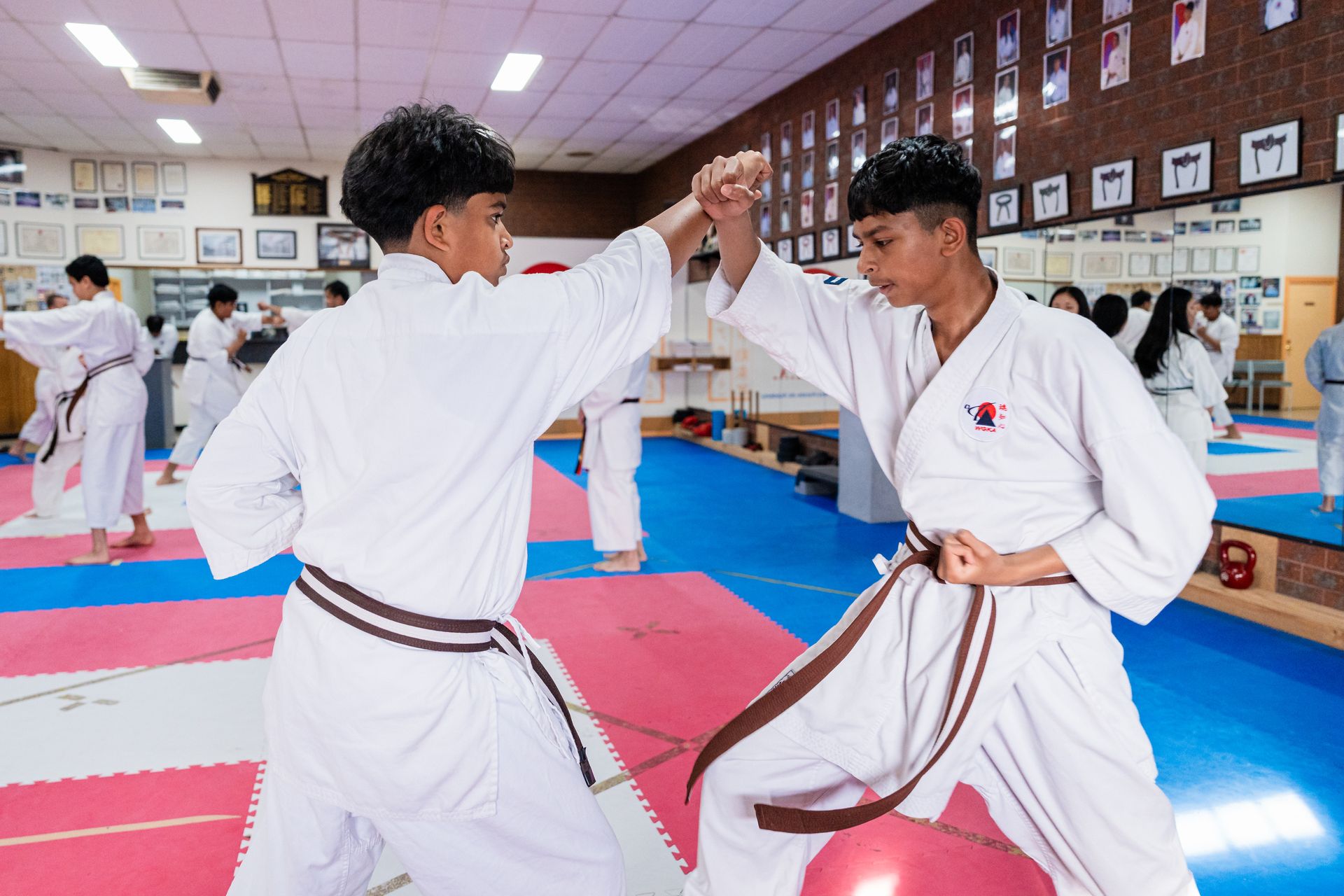
- Juniors (12–17 years): Supporting teenagers as they build physical skills, self-control, responsibility and resilience.
Through regular training, students have opportunities to improve their fitness, learn self-defence principles and develop greater confidence in their abilities.
Most importantly, they learn that martial arts isn't about proving they're stronger than someone else.
It's about becoming the best version of themselves.
Give Your Child the Confidence to Face Life's Challenges
Bullying is a serious issue, and there's no single activity that can completely prevent it.
However, helping children become more confident, aware and emotionally resilient can make a meaningful difference in how they navigate difficult situations.
From recognising warning signs and communicating boundaries to understanding when to walk away and seek help, martial arts can teach lessons that extend far beyond the training floor.
At Martial House, we want children to grow into capable, respectful and confident young people who understand that real strength includes knowing when not to fight.
Ready to explore self-defence classes for kids in Lalor?
Visit Martial House WGKA to learn more about our children's karate programs and how to get started.
Martial House WGKA
12B May Road, Lalor VIC 3075
Phone: (03) 9464 6202
Help your child build confidence, learn valuable life skills and discover what they can achieve through karate.